 Daniel Morgan
Natural gas, inventories, weather and supply
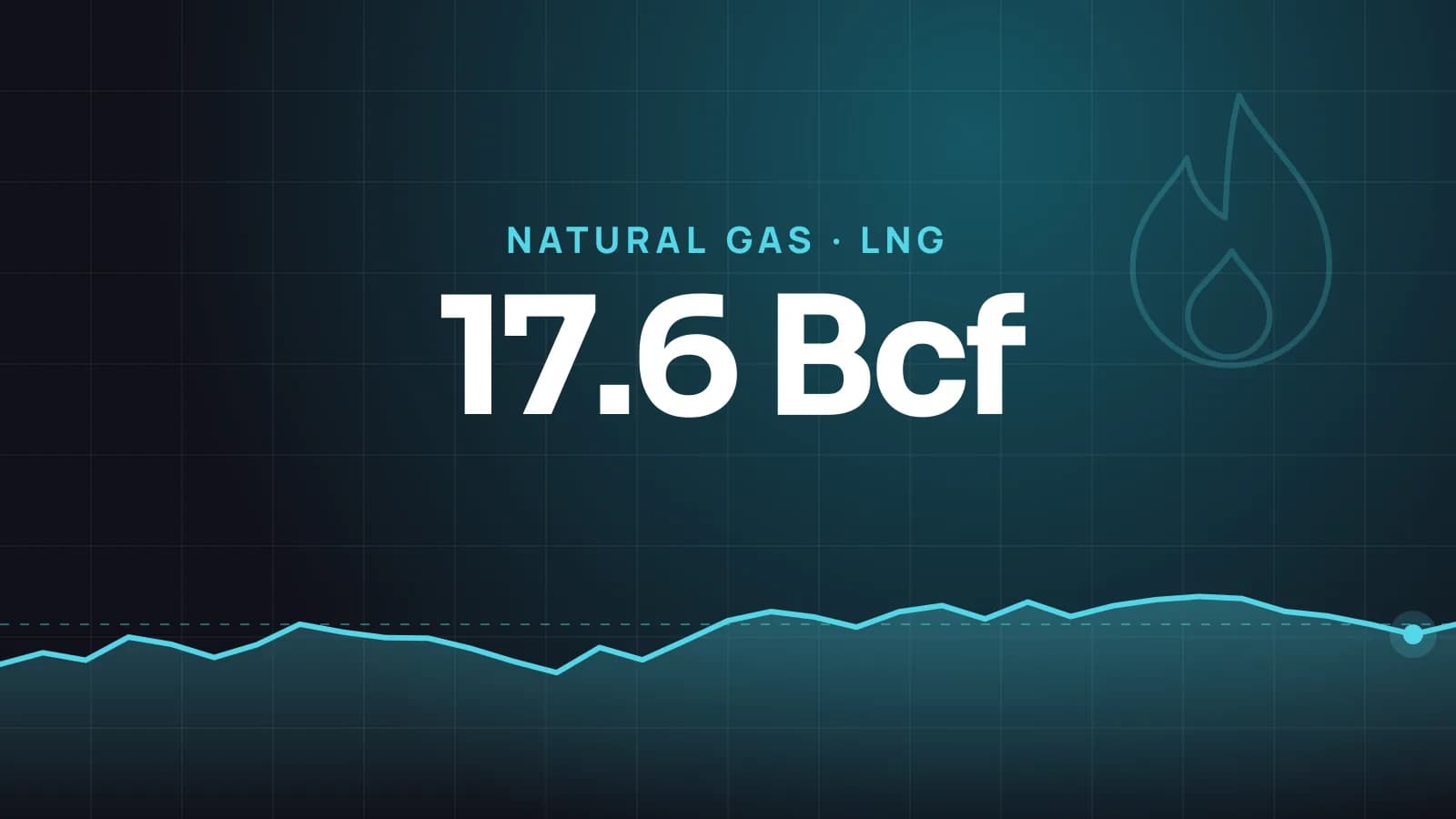
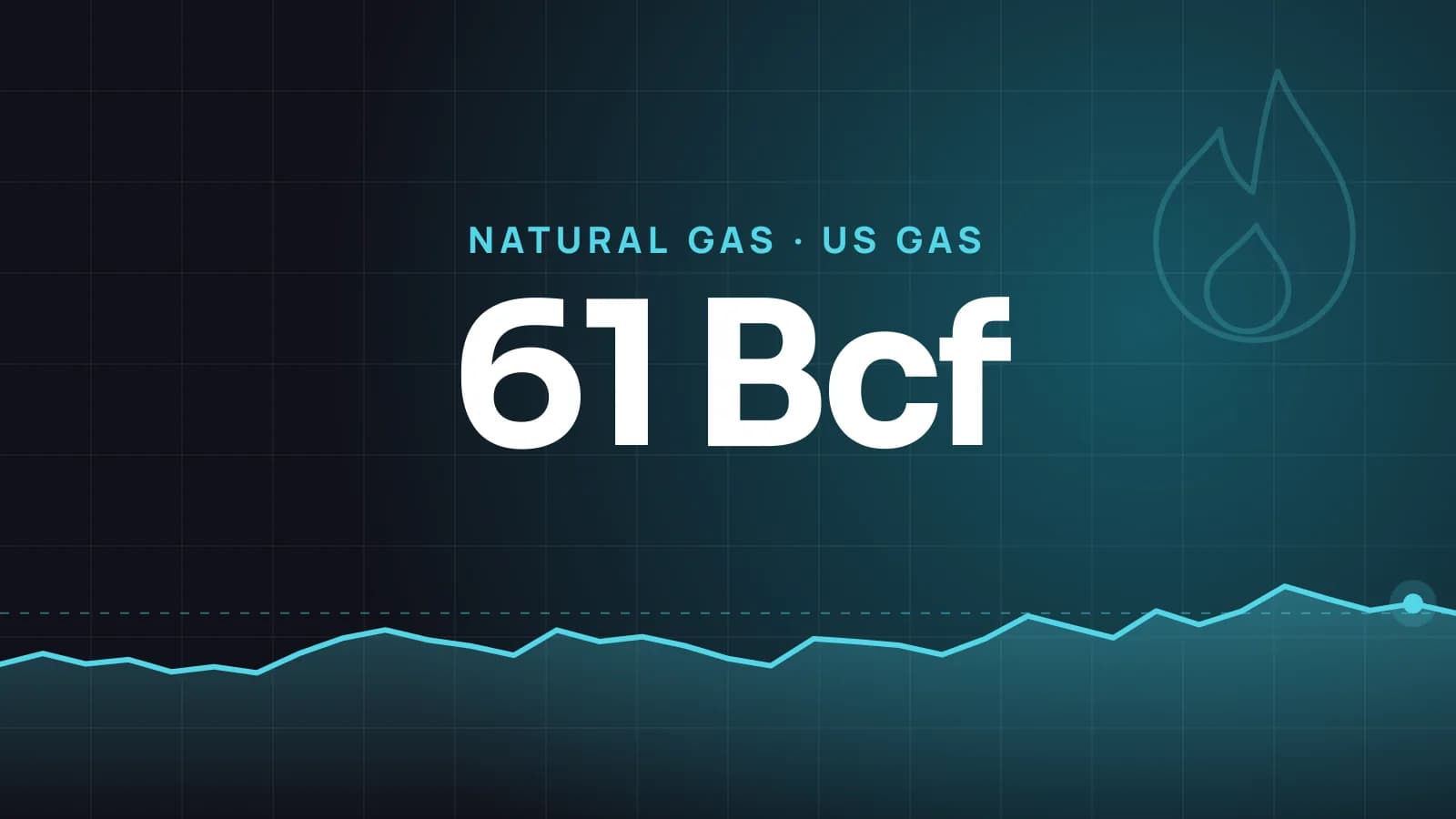
The latest US gas storage injection increased working inventories by 61 billion cubic feet in the week ending November 6. The EIA’s November 13 release puts the national stock level above its seasonal five-year average, while still below the comparable year-earlier level. [1]
The reported balance
Lower 48 working gas reached 3,862 Bcf, compared with a five-year average of 3,787 Bcf. The resulting cushion was 75 Bcf, or 2.0%. Stocks were 92 Bcf, or 2.3%, below a year earlier and remained inside the five-year historical range. The next release is scheduled for November 19. [1]
This is the actual report that was pending in the preceding edition. The observation week and publication date are different: the figures measure storage as of November 6, not the amount underground on the day the report was released.
Analysis: two benchmarks answer different questions
The year-earlier comparison shows how the present buffer differs from a specific previous season. The five-year average provides a broader seasonal reference. Neither is automatically the correct forecast of what consumers will need over the coming months.
A stock level can be above the average and below last year without contradiction. The apparent tension disappears once the comparison periods are kept separate. The practical assessment is whether the available cushion is sufficient for the supply and demand conditions that follow.
An injection also measures a net balance, not gross production. Gas can enter storage even while substantial volumes are consumed or exported. The storage number alone cannot identify how much each component contributed or establish that any particular demand category weakened.
The buffer is only the starting point
The pace at which inventories are drawn down can matter as much as the initial total. Sustained heating demand, production interruptions or changes in export requirements can alter the trajectory. Conversely, milder consumption conditions or stronger supply can preserve the buffer.
Weather forecasts are especially sensitive to timing and geography. Demand depends on where temperature departures occur and how long they last. A forecast revision should be evaluated against population-weighted heating needs rather than treated as a uniform national signal.
There is also a difference between stored volume and deliverability. Infrastructure constraints can influence how quickly gas reaches a specific market. The national figure is valuable context, but it does not describe every local operating condition.
What traders should watch next
Watch the November 19 release for the next change and any revisions. Compare the new observation with seasonal benchmarks and the weather experienced during its reporting week, rather than with a later forecast period.
Use verified production and export data to investigate the components behind the balance. This edition does not attach an unverified futures-price reaction or consensus estimate to the release. The confirmed result is a larger storage cushion against the five-year average, with the winter demand path still unresolved.
Sources and verification
Verified November 14, 2026, Asia/Manila. Observations retain their stated dates. Analysis is editorial interpretation; forecasts are not confirmed outcomes.
#Xquote #NaturalGas #GasStorage #EIAReport #HeatingDemand #EnergyTrading
Risk disclaimer: Trading and leveraged products can cause substantial losses. General information only; not personalized investment advice.