 Maya Brooks
Gold, precious metals, inflation and safe-haven flows
Gold's sharp Friday decline showed that broad market stress does not guarantee immediate gains for bullion. The episode puts the interaction of liquidity needs and interest-rate expectations at the centre of the precious-metals debate.
A settlement, not a live Monday price
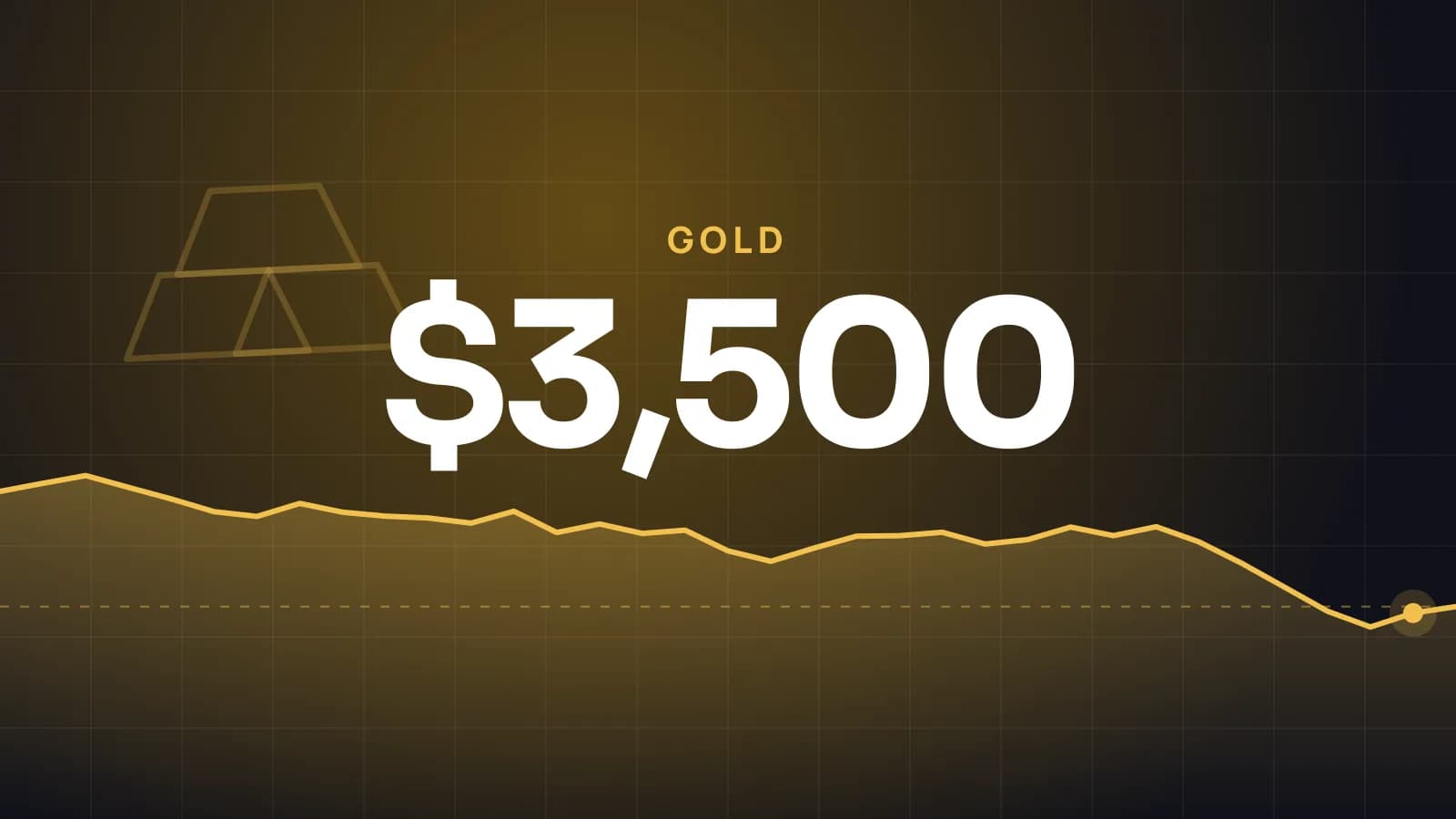
December US gold futures settled November 20 at $3,515.40 per ounce, down 4.6%, Reuters reported. The report described pressure from the interest-rate outlook and cited an analyst who attributed some selling to liquidation of gold positions to cover equity losses. That explanation is market commentary, not a verified breakdown of every trade. [1]
Analysis: liquidity can override diversification
An asset held for protection can still be sold when an investor needs cash. Margin calls, redemptions or a decision to reduce overall exposure can create selling pressure in positions that were not the original source of losses.
This is different from concluding that the asset has lost every diversification benefit. The usefulness of a holding depends on the time horizon, the other assets in a portfolio and the type of shock being considered.
Gold's lack of a contractual coupon is another part of the comparison. Changes in the returns available on interest-bearing assets can influence its relative appeal, even when uncertainty makes investors more cautious about other markets.
One label cannot describe every shock
A growth scare, an inflation surprise and a sudden demand for cash can affect bullion differently. Treating all three as a single category of risk aversion can obscure the channels through which prices adjust.
Currency exposure adds a further distinction. A dollar-denominated gold decline need not translate into an identical percentage move for an investor measuring wealth in another currency. Exchange-rate changes can offset or reinforce the metal's movement.
Futures and physical holdings also have different operational features. Leveraged positions require margin management, while physical ownership has custody and transaction costs. Those differences can influence how quickly participants respond during a volatile session.
What traders should watch next
Watch changes in rates, currencies and bullion positioning together, using observations from comparable times. A single correlation during one session is not enough to establish which factor will dominate the next.
Subsequent fund-flow and trading data can provide evidence about whether selling reflects changes in allocation or short-term liquidity needs. Such evidence arrives with reporting lags and should retain its original measurement dates.
Friday's settlement is a useful historical marker, not a guarantee of either continuation or recovery. Assessing the next phase requires fresh market observations and a clear distinction between confirmed transactions, reported interpretations and broader economic mechanisms that may operate differently as conditions change.
Sources and verification
Verified November 23, 2026, by 6:05 a.m. Asia/Manila. Observations retain their stated dates. Analysis is editorial interpretation; forecasts are not confirmed outcomes.
#Xquote #Gold #Bullion #PreciousMetals #SafeHaven
Risk disclaimer: Trading and leveraged products can cause substantial losses. General information only; not personalized investment advice.