 Maya Brooks
Gold, precious metals, inflation and safe-haven flows
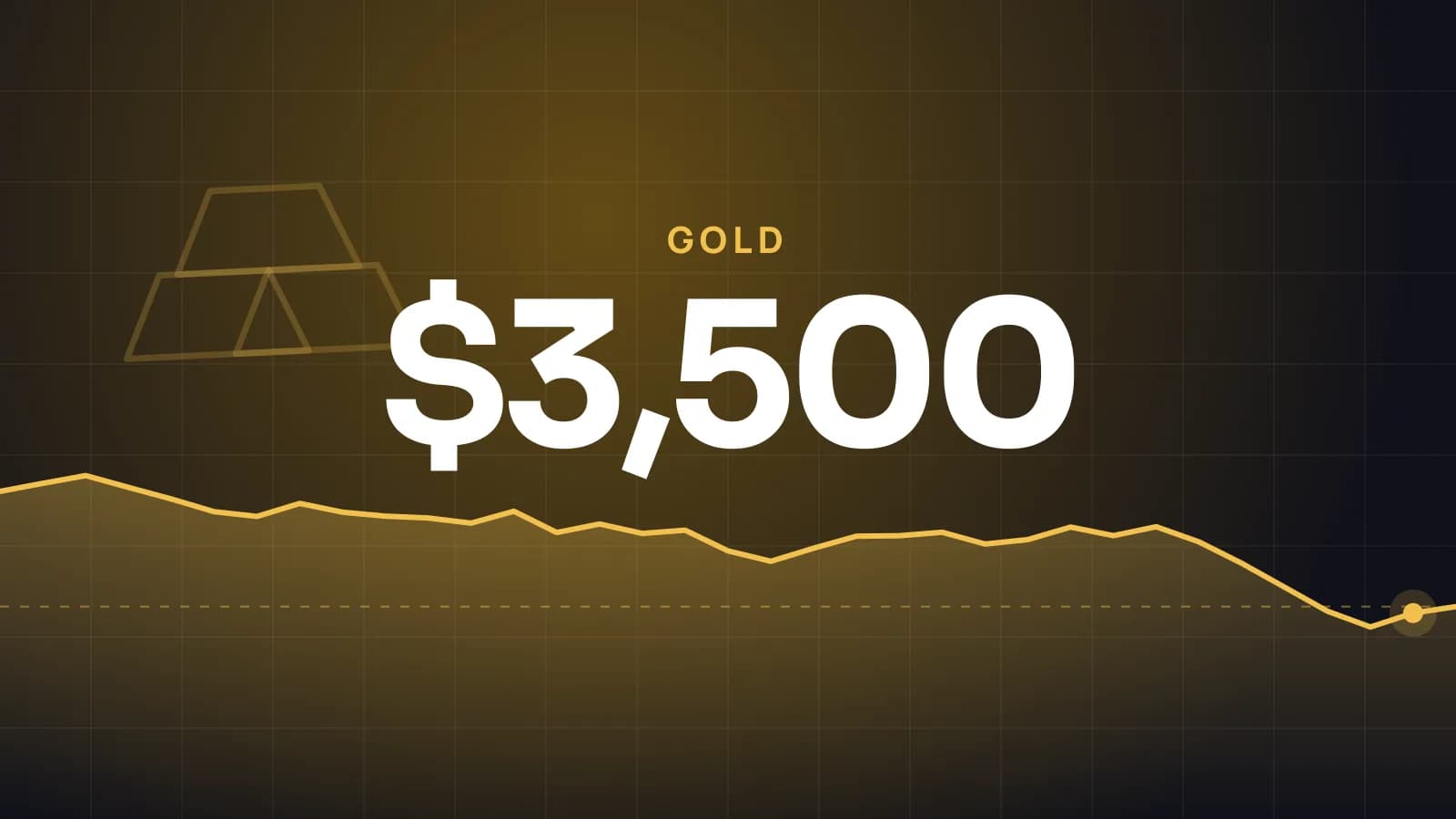
Gold fell below $3,500 an ounce in November 25 trading as inflation complicated the argument for holding the metal. The session illustrates why an asset associated with inflation protection can still decline when price pressures persist.
The dated market observation
Reuters reported spot gold at $3,445.89 an ounce, down 3%, at 16:13 GMT on November 25. This is a timestamped spot-market observation, not a final futures settlement or a live November 26 quotation. [1]
The US personal consumption expenditures price index rose 0.3% in October and 3.8% from a year earlier, according to the Bureau of Economic Analysis. Those figures describe realised consumer-price inflation; they do not directly measure the return available on an inflation-protected investment. [2]
Analysis: inflation has competing channels
Gold does not pay a contractual coupon. When investors expect higher returns from interest-bearing assets, holding bullion can become more costly in terms of income forgone. That opportunity cost can matter even when inflation itself remains elevated.
At the same time, concerns about the purchasing power of money can support demand for scarce physical assets. The two channels can work against each other. Which dominates depends on policy expectations, expected inflation and the willingness of investors to hold risk.
The distinction between nominal and real yields is central. A nominal yield can rise because investors demand compensation for higher inflation, because expected real returns increase, or because risk premiums change. Those explanations do not have identical implications for gold.
A round number is a reference point
The move below $3,500 is easy to communicate, but that level does not create an automatic economic floor. Orders and positioning around widely watched prices can influence short-term trading, without providing evidence that the next move must reverse or accelerate.
Similarly, an inflation release should not be described as a mechanical trading signal. Its effect depends on what market participants expected beforehand and how they revise the anticipated policy path afterward.
What traders should watch next
Compare subsequent bullion moves with changes in real yields and the dollar. Agreement across those indicators can help explain the session, while divergence can indicate that other forces, including positioning or defensive demand, deserve attention.
Watch whether new inflation information changes the expected persistence of price pressure. A single month can be affected by volatile components, and the broader trend matters for interpreting possible policy responses.
Finally, distinguish spot quotations, futures settlements and local retail bullion prices. Currency conversion, delivery terms and premiums can make those prices differ. Using consistent instruments and timestamps is essential when assessing whether gold has recovered, extended its decline or simply moved between different quoted markets.
Sources and verification
Verified November 26, 2026, by 6:08 a.m. Asia/Manila. Observations retain their stated dates. Analysis is editorial interpretation; forecasts are not confirmed outcomes.
#Xquote #Gold #XAUUSD #PreciousMetals #Inflation
Risk disclaimer: Trading and leveraged products can cause substantial losses. General information only; not personalized investment advice.