 Maya Brooks
Gold, precious metals, inflation and safe-haven flows
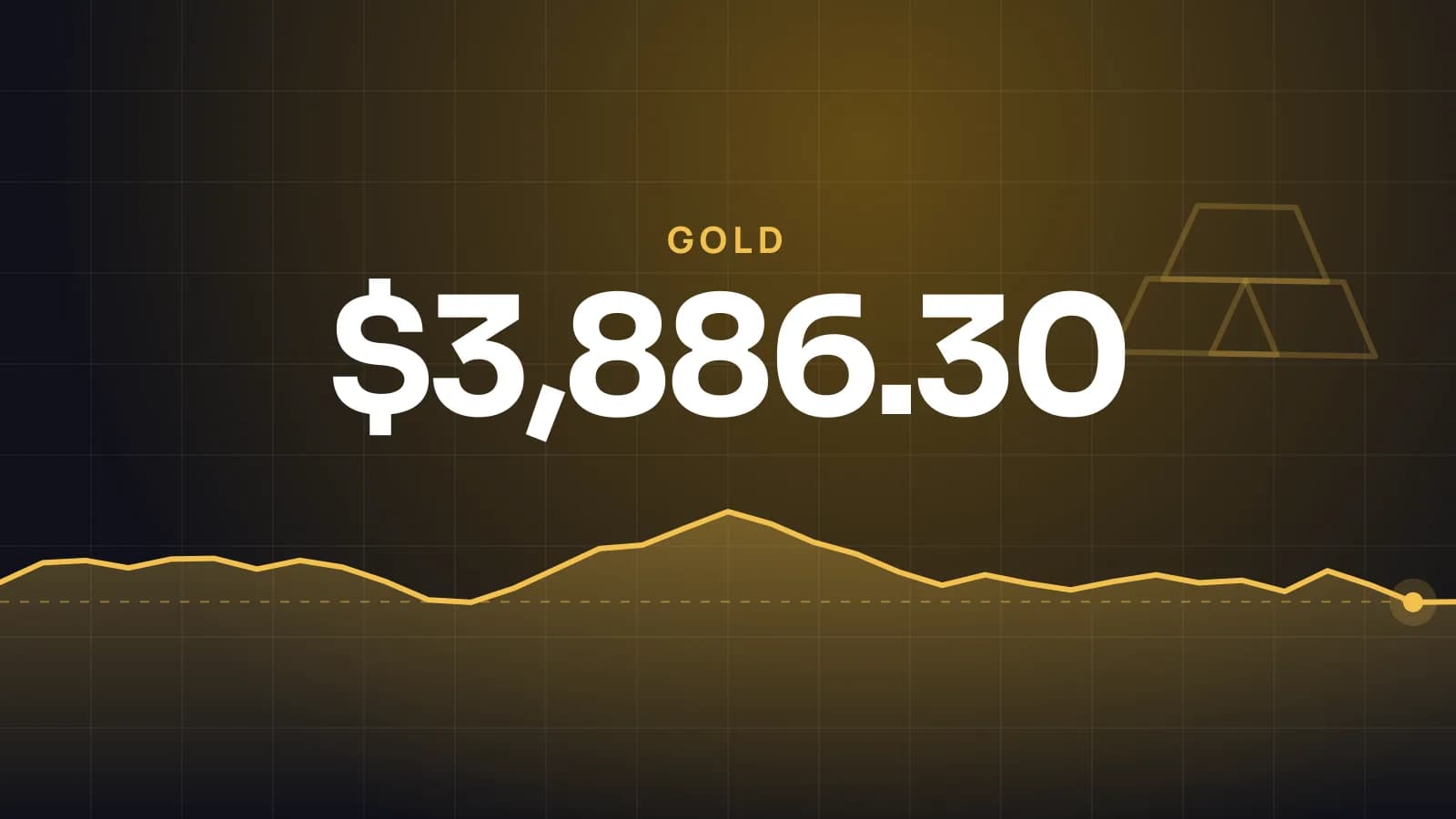
The gold price reaction steadied on November 13 after the latest US producer-inflation release. Reuters reported December gold futures settling largely unchanged at $3,886.30 per troy ounce, following the preceding session’s sharp selloff. [1]
A steadier session after substantial volatility
Reuters said the inflation reading eased some expectations of a larger Federal Reserve rate increase. [1] That describes a shift in market expectations, not a policy decision. The settlement is for a specified futures contract and should not be substituted for a live spot price or a broker’s CFD quotation.
A largely unchanged finish can conceal substantial movement within a session. It indicates where the specified contract settled relative to the preceding settlement, rather than proving that uncertainty or trading activity disappeared.
Analysis: relief and conviction are different
When a market has adjusted rapidly to adverse information, the absence of another negative surprise can allow prices to stabilise. That does not necessarily mean investors have changed their longer-term view. A temporary pause, position adjustment and sustained reassessment can initially look similar on a price chart.
For gold, the policy interpretation matters because the metal offers no contractual income. Expectations about competing yields influence the cost of holding it, while inflation uncertainty can support demand for protection. Those forces can operate simultaneously and need not produce a simple daily relationship.
The relevant evidence is broader than one economic release. Inflation trends, central-bank communications, currency movements and funding conditions all contribute to the environment in which gold is priced. A single calmer session cannot establish that any of those influences has permanently changed.
A settlement is a reference, not an execution promise
Futures settlements provide a useful, consistently defined reference for comparing sessions. They are not a promise that a trader can transact at that price later. Bid-ask spreads, contract selection and the time of execution affect actual dealing levels.
Returns also depend on the currency in which they are measured. A dollar-denominated gold quotation can remain steady while a buyer using another currency experiences a gain or loss through the exchange rate. Comparisons across markets should therefore keep both instrument and currency consistent.
Positioning evidence can help distinguish renewed buying from the closing of existing short positions, but price action alone cannot conclusively identify either. Claims about fund flows or investor categories require their own supporting data.
What traders should watch next
Watch whether subsequent sessions sustain the stabilisation and whether the dollar and interest-rate backdrop support the interpretation. Review later positioning and fund-flow disclosures when available, keeping their reporting periods separate from daily price moves.
The immediate development is a steadier December settlement after heavy pressure. Evidence of a durable reversal would require more than one session and should not be assumed from the fact that Friday’s closing change was small.
Sources and verification
Verified November 14, 2026, Asia/Manila. Observations retain their stated dates. Analysis is editorial interpretation; forecasts are not confirmed outcomes.
#Xquote #GoldPrice #Bullion #GoldTrading #PPI #MarketVolatility
Risk disclaimer: Trading and leveraged products can cause substantial losses. General information only; not personalized investment advice.