 Maya Brooks
Gold, precious metals, inflation and safe-haven flows
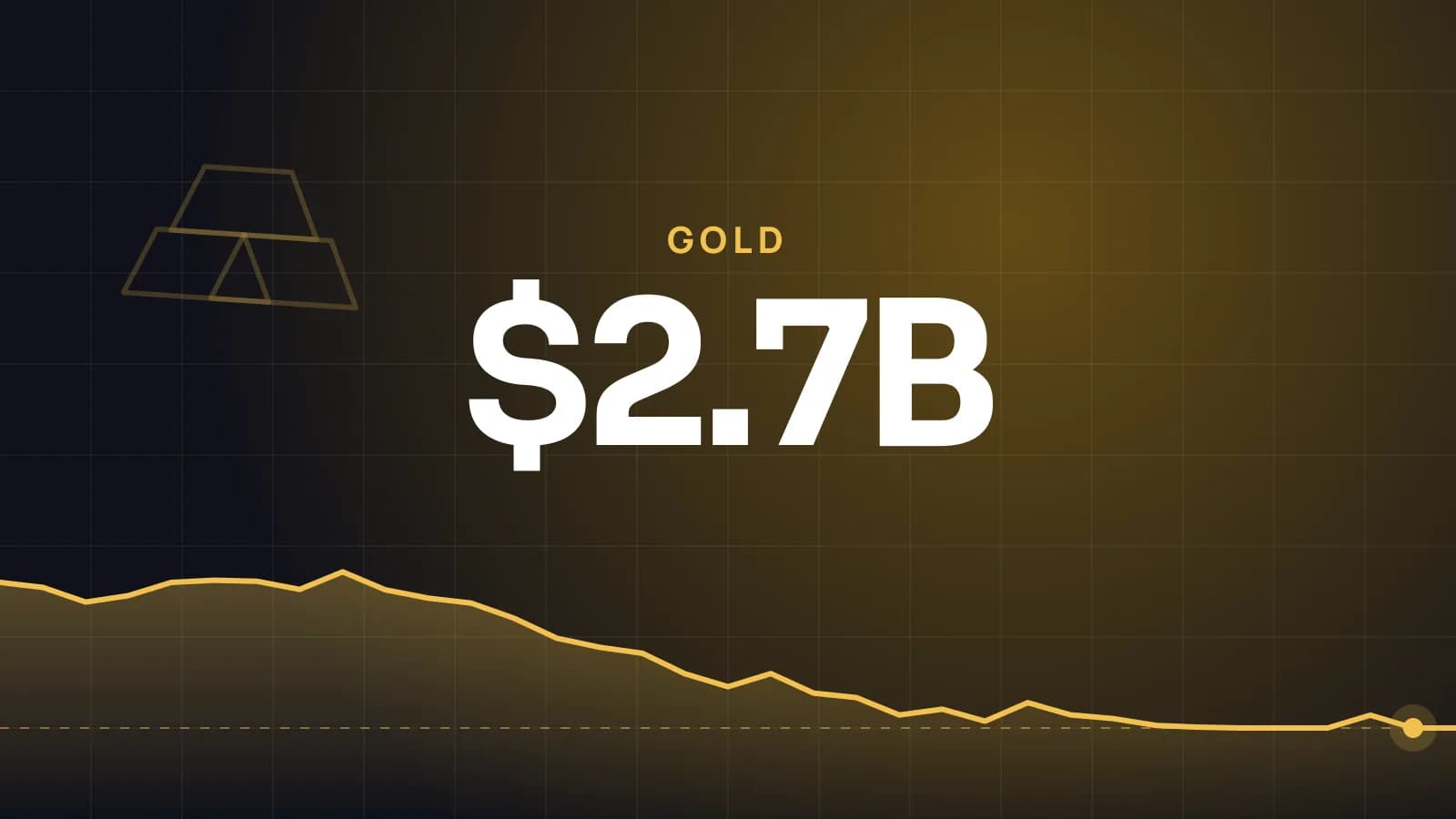
Gold ETF flows remained positive in October even as lower bullion prices reduced the value of fund assets. The World Gold Council’s latest monthly review reports $2.7 billion of inflows and a 19-tonne increase in holdings to 4,275 tonnes. [1]
Quantity and valuation moved differently
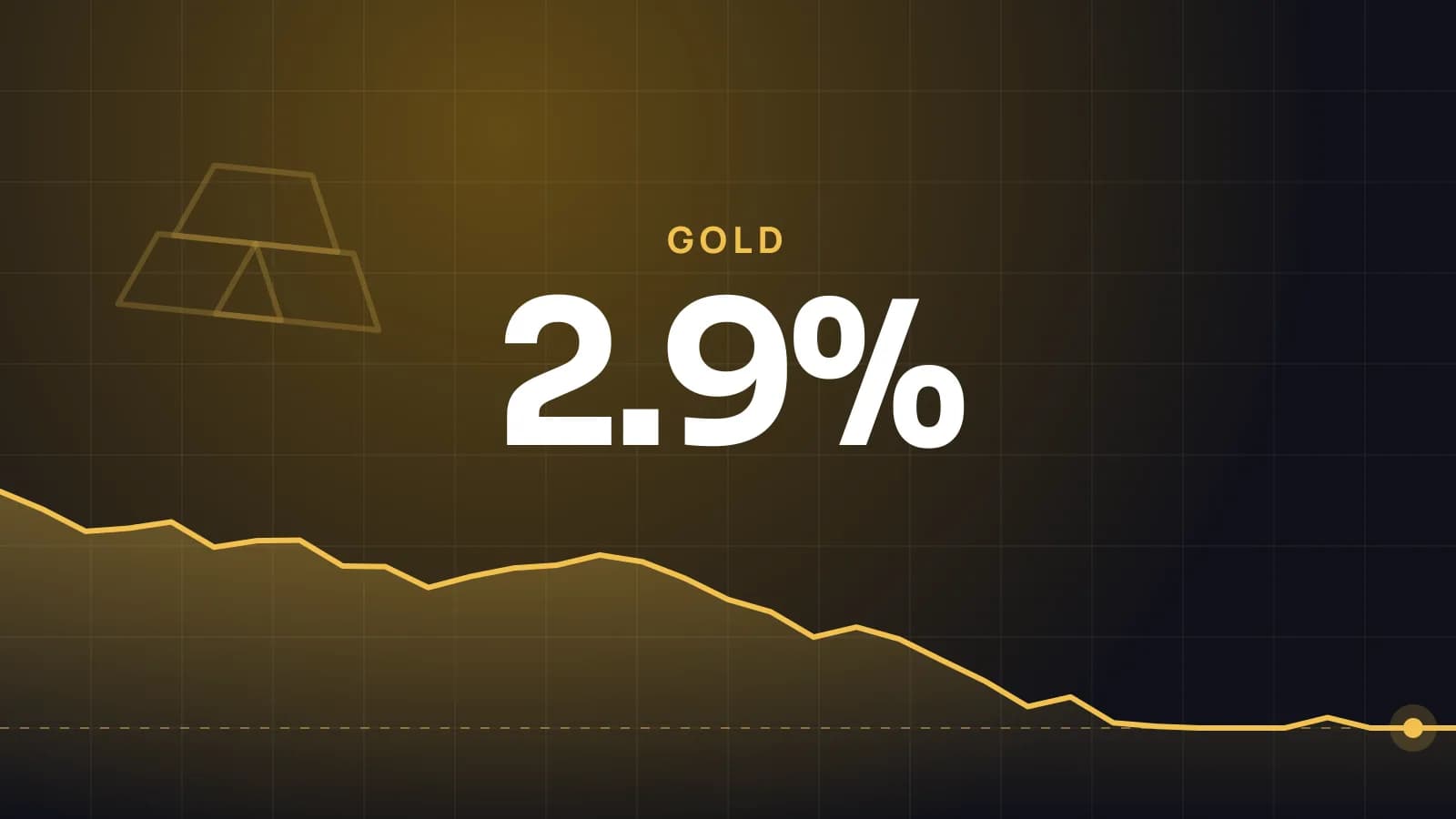
Assets under management fell 6% to $542 billion, with the price decline outweighing inflows. European funds attracted $1.8 billion and Asian funds $1.3 billion, while North America recorded marginal outflows. The report was published November 5 and describes October, not current weekend trading. [1]
These figures illustrate why a decline in fund assets cannot automatically be described as investors withdrawing money. Asset values change through market pricing as well as subscriptions and redemptions.
Analysis: measure the question being asked
Holdings in tonnes help identify changes in the amount of metal represented by the covered funds. Dollar flows measure money entering or leaving under the data provider’s methodology. Assets under management describe the value of the portfolio at a point in time.
Each measure is useful, but they are not interchangeable. A price decline can reduce assets even when holdings increase, while a rising gold price can lift assets without new buying. The distinction is essential when assessing whether demand has strengthened.
Regional totals also need care. A global inflow can coexist with selling in one market, and a large individual fund may behave differently from the regional aggregate. Broad conclusions should therefore match the scope of the data used.
ETF demand is not the whole gold market
Physically backed funds are one channel through which investors gain exposure. Jewellery, bars and coins, official-sector holdings and derivatives represent other parts of the market. ETF flows alone cannot explain every movement in the gold price.
Nor do inflows conclusively identify investors’ motives. Diversification, tactical positioning and longer-term allocation can all produce buying. An interpretation about safe-haven demand should be presented as analysis unless supported by additional evidence about the buyers.
Monthly reporting also creates a timing limit. October flows provide context for positioning entering November, but they cannot prove how investors responded to a later daily selloff. That requires observations covering the later period.
What traders should watch next
Watch subsequent weekly and monthly updates for evidence that the regional pattern persists. Compare complete reporting periods and check whether figures are provisional or have been revised before calculating changes.
Assess flows alongside prices and holdings rather than using any one series as a trading signal. The latest monthly evidence shows that fund accumulation and falling portfolio values occurred together. Whether that accumulation continues is a separate question that later data must answer, not an outcome guaranteed by October’s positive total.
Sources and verification
Verified November 15, 2026, Asia/Manila. Observations retain their stated dates. Analysis is editorial interpretation; forecasts are not confirmed outcomes.
[1] World Gold Council: October 2026 gold ETF flows, published November 5
#Xquote #GoldETF #GoldDemand #Bullion #FundFlows #PreciousMetals
Risk disclaimer: Trading and leveraged products can cause substantial losses. General information only; not personalized investment advice.