 Maya Brooks
Gold, precious metals, inflation and safe-haven flows
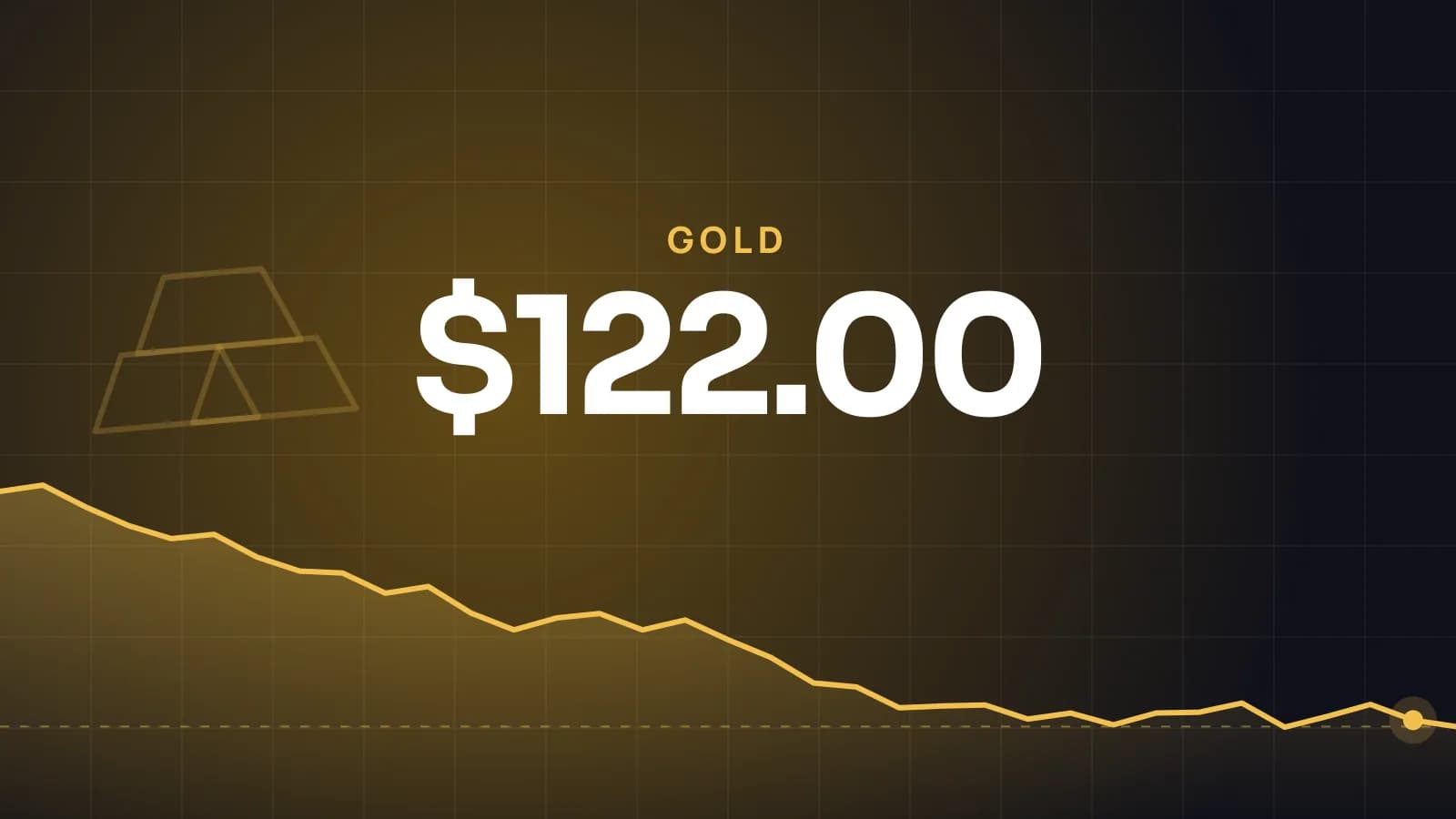
Gold futures settlement data showed another sharp decline on November 18. The Wall Street Journal reported that the November COMEX contract lost $122.00, or 3.16%, to settle at $3,736.80 per troy ounce. [1]
Rate expectations remain in focus
Reuters described the broader gold selloff as occurring alongside a stronger dollar and rising Treasury yields, with hawkish Federal Reserve signals supporting expectations of higher interest rates. That is the news service's account of the session's drivers, rather than proof that one factor explains every transaction. [2]
The quoted settlement belongs to a specified futures contract. It is not a live spot quotation, and comparisons with another delivery month need to account for the difference in instrument and timing.
Analysis: the opportunity cost channel
Gold does not pay a coupon. When returns available on interest-bearing assets rise, the relative cost of holding bullion can increase. This helps explain why a perceived shift toward tighter policy can weigh on gold even when inflation remains elevated.
Inflation alone is therefore an incomplete guide to the metal. What matters includes the expected policy response and the purchasing power of alternative returns. A market anticipating stronger inflation and a forceful interest-rate response can behave differently from one expecting inflation without tighter policy.
Dollar strength adds a separate channel. A higher dollar can make dollar-priced bullion more expensive in other currencies, although local exchange rates and demand conditions determine the effect faced by individual buyers.
Safe-haven demand is not a fixed price floor
Investors may seek gold during uncertainty, but they can also sell it to raise liquidity or adjust portfolio exposure. Those motives can coexist. Describing gold as a safe-haven asset does not imply that its price must rise whenever risks elsewhere increase.
A large daily move can also reflect positioning and the speed of repricing. Establishing those contributions requires evidence about trading and flows; they should not be asserted simply because the price fell sharply.
For readers comparing reports, publication time is particularly important during a volatile session. An earlier intraday quote and a later futures settlement can both be accurate while showing different levels and percentage changes.
What traders should watch next
Watch subsequent official policy communication, inflation evidence and changes in yields for indications of whether the rate outlook is continuing to shift. ETF flows and physical-market information can provide additional evidence about investor and end-user demand.
Keep spot prices, futures contracts and local-currency quotations separate when reviewing the next session. Like-for-like comparisons make it easier to identify an actual change in the market rather than a difference between instruments.
November 18's settlement is a clear dated reference. It does not establish the next trading level or eliminate the possibility that new information changes the balance of pressures on gold.
Sources and verification
Verified November 19, 2026, by 6:09 a.m. Asia/Manila. Observations retain their stated dates. Analysis is editorial interpretation; forecasts are not confirmed outcomes.
#Xquote #Gold #COMEX #PreciousMetals #USD
Risk disclaimer: Trading and leveraged products can cause substantial losses. General information only; not personalized investment advice.