 Maya Brooks
Gold, precious metals, inflation and safe-haven flows
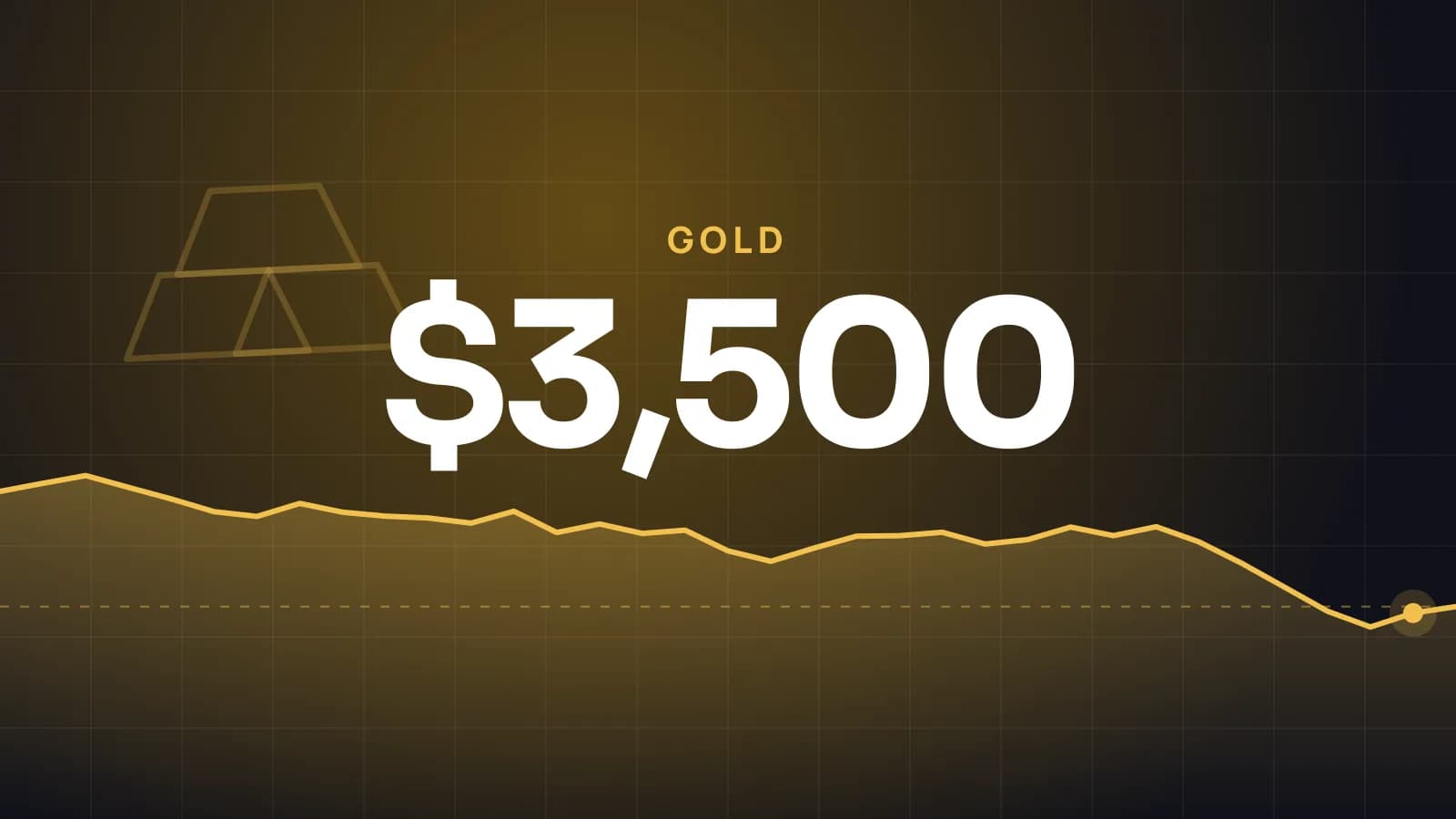
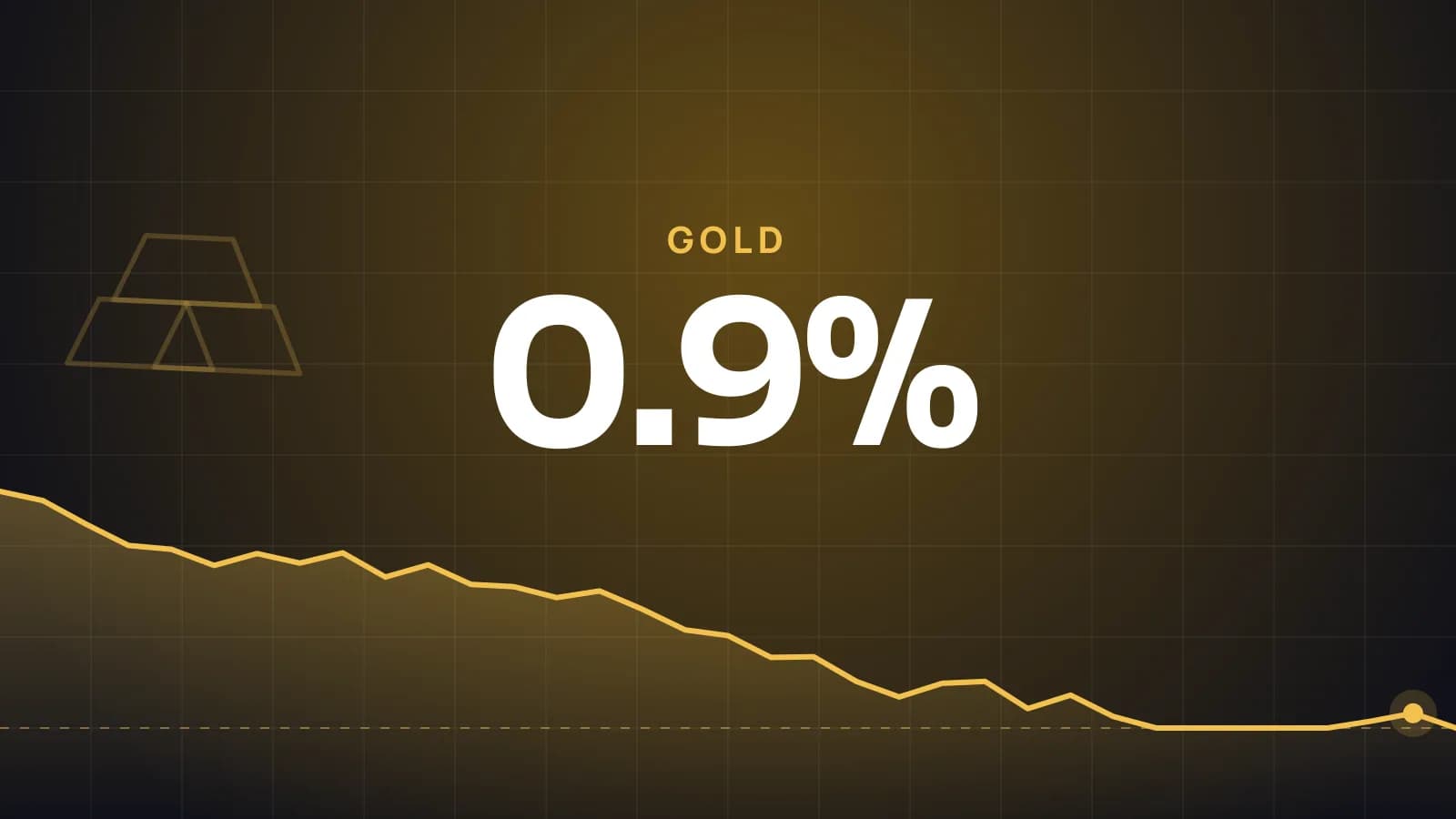
Gold futures settlement prices weakened on November 16 as the dollar and expectations of tighter US monetary policy pressured bullion. Reuters reported that December US gold futures settled 0.9% lower at $3,853 an ounce. [1]
A dated price amid competing forces
Reuters linked the decline to a stronger dollar and rising expectations for a December Federal Reserve rate increase. The report placed the move in the context of recent inflation data and hawkish policymaker comments. These explanations describe the session’s market backdrop, rather than an announced future policy decision. [1]
The December futures settlement should not be confused with a live spot price. Differences between futures and spot can reflect financing, delivery timing and contract characteristics. Using one as a substitute for the other can create a misleading comparison.
Analysis: gold faces an opportunity cost
Gold does not pay contractual interest. When the return available on interest-bearing assets rises, holding bullion can become relatively less attractive, all else equal. That mechanism helps explain why a rate-sensitive market can decline even while some investors seek protection against uncertainty.
The relationship is not mechanical. Nominal yields include expectations about inflation, and the return after inflation can matter to the comparison. A rise in yields driven mainly by higher expected inflation may carry different implications from a rise in expected real returns.
Currency movements create another channel. Gold quoted in dollars becomes more expensive in another currency when that currency weakens against the dollar, assuming the dollar gold price is unchanged. Actual local-currency returns depend on both movements together.
Safe-haven demand is one influence
A protective role does not mean gold rises during every period of uncertainty. Investors may sell liquid holdings to meet other obligations, rebalance portfolios or respond to changes in financing costs. Different motives can operate at the same time.
For that reason, a falling session does not by itself invalidate the metal’s longer-term role in a portfolio, just as a rising session does not prove that it will preserve purchasing power over every horizon. Market analysis needs a defined period and a clearly identified comparison.
What traders should watch next
Watch official policy communications and new economic evidence for changes in the expected interest-rate path. Market-implied probabilities, when used, should carry a timestamp and should not be presented as commitments by policymakers.
Changes in the dollar, inflation expectations and investment flows can help explain whether the same pressures persist. Physical demand and official-sector purchases provide additional context, but their reporting frequency differs from intraday trading.
The November 16 settlement is a verified historical reference for the next session. It is not a price target, a forecast of a floor or evidence that one driver will dominate all others indefinitely.
Sources and verification
Verified November 17, 2026, by 6:10 a.m. Asia/Manila. Observations retain their stated dates. Analysis is editorial interpretation; forecasts are not confirmed outcomes.
#Xquote #Gold #GoldFutures #PreciousMetals #USD
Risk disclaimer: Trading and leveraged products can cause substantial losses. General information only; not personalized investment advice.