 Maya Brooks
Gold, precious metals, inflation and safe-haven flows
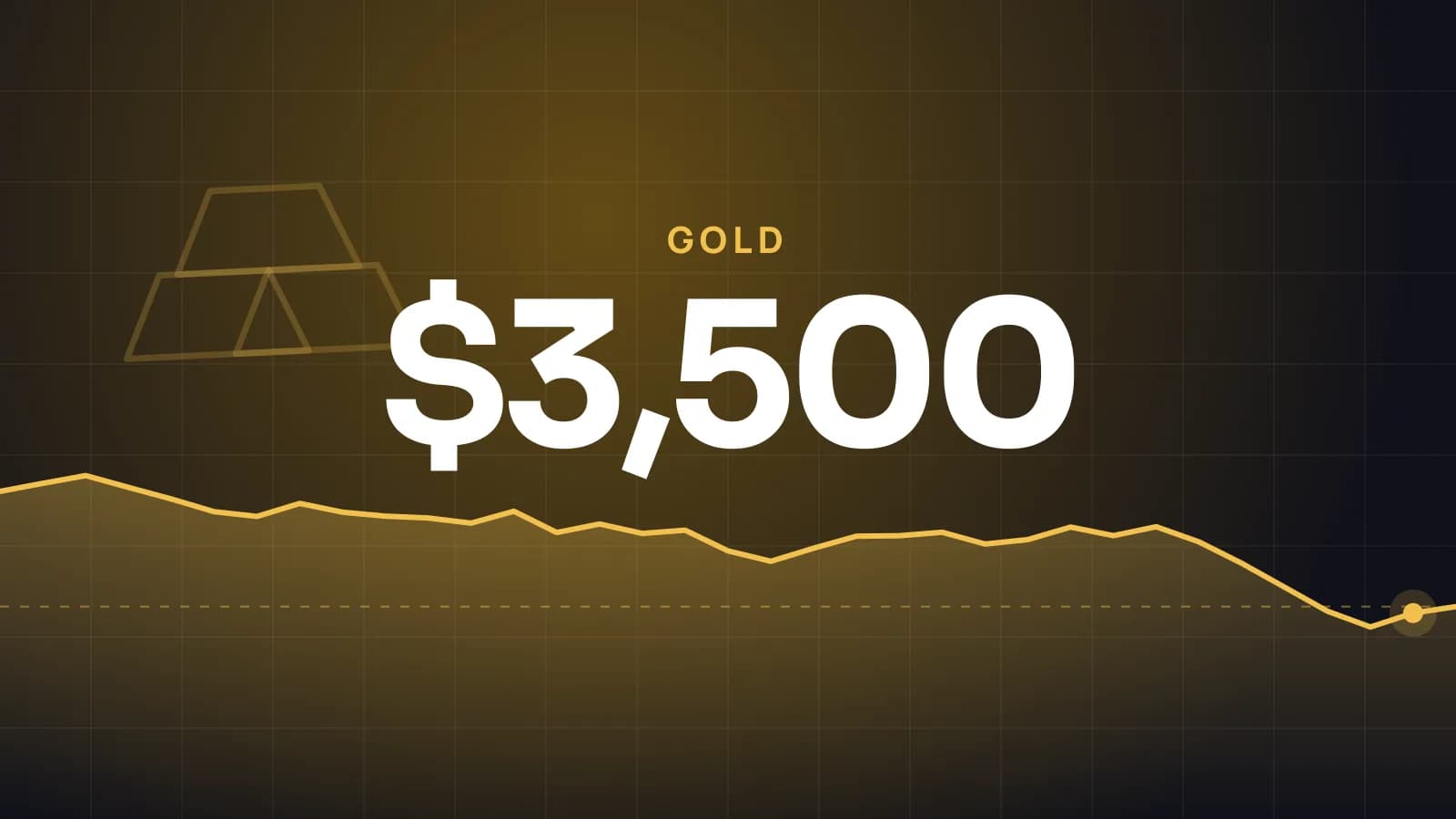
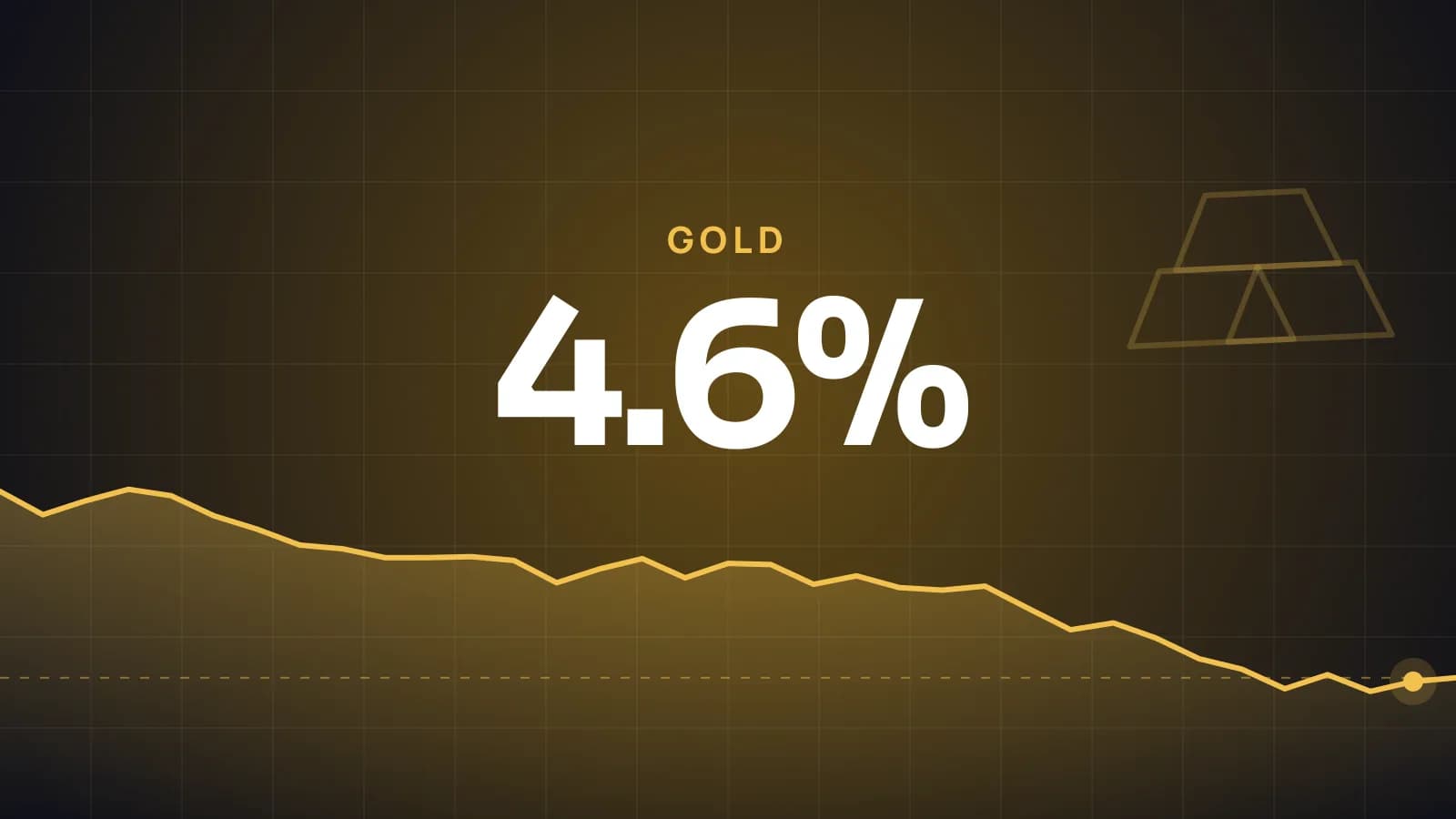
December US gold futures settled 4.6% lower at $3,515.40 an ounce on November 20, according to Reuters. The decline illustrates that bullion can come under pressure during a wider market retreat, even when investors are concerned about economic and financial uncertainty. [1]
The reported market backdrop
Reuters linked the session's weakness to a hawkish interest-rate outlook and an AI-related equity selloff. An analyst cited in the report described some gold selling as liquidation to cover losses elsewhere; that explanation is an assessment, not a complete accounting of every transaction. [1]
The settlement belongs to the December futures contract. It is distinct from a spot-market observation and should not be labelled as a live weekend gold price.
Analysis: protection and liquidity are different needs
An investor may regard gold as long-term protection and still sell it when cash is required immediately. Meeting obligations, reducing leverage or restoring portfolio limits can take priority over the reason an asset was originally purchased.
This creates a possible channel through which losses in one market spread to another. An asset that is easy to sell may be used to raise funds even when the underlying investment case has not changed. Evidence about positioning and flows is needed to determine the scale of that channel.
Interest rates create another influence. Gold does not provide contractual interest income, so changes in the return available on interest-bearing assets can alter its relative appeal. Expected inflation and currency movements complicate that comparison, making nominal rates alone an incomplete guide.
A safe-haven label is not a price floor
Safe-haven behaviour is conditional rather than guaranteed in every session. Different investors have different funding needs and time horizons. Their transactions can produce a short-term decline even when some buyers are seeking protection.
Futures add their own market structure. Margin requirements and daily settlement can create funding pressures that differ from holding unleveraged physical metal. That distinction helps explain why risk management must consider the instrument, not just the underlying commodity.
The size of a daily fall also does not identify a fair value or prove that a rebound is imminent. A lower price can attract new buyers, but it can also reflect changed expectations. Neither outcome follows automatically from the fact that the market has already declined.
What traders should watch next
Watch interest-rate expectations, currency conditions and evidence of investment flows for signs that the competing influences are changing. Distinguish confirmed transactions from explanations offered after the price move.
Compare spot and futures observations with matching timestamps, and retain the delivery month when discussing settlements. Mixing instruments or observation times can create an inaccurate picture of the daily change.
Friday's futures decline is a verified event. Whether it represents temporary funding pressure, a more durable reassessment or a combination of factors requires further evidence beyond the settlement itself.
Sources and verification
Verified November 21, 2026, by 6:07 a.m. Asia/Manila. Observations retain their stated dates. Analysis is editorial interpretation; forecasts are not confirmed outcomes.
#Xquote #Gold #Bullion #SafeHaven #PreciousMetals
Risk disclaimer: Trading and leveraged products can cause substantial losses. General information only; not personalized investment advice.