 Adrian Bennett
Bonds, interest rates, credit markets and the global economy
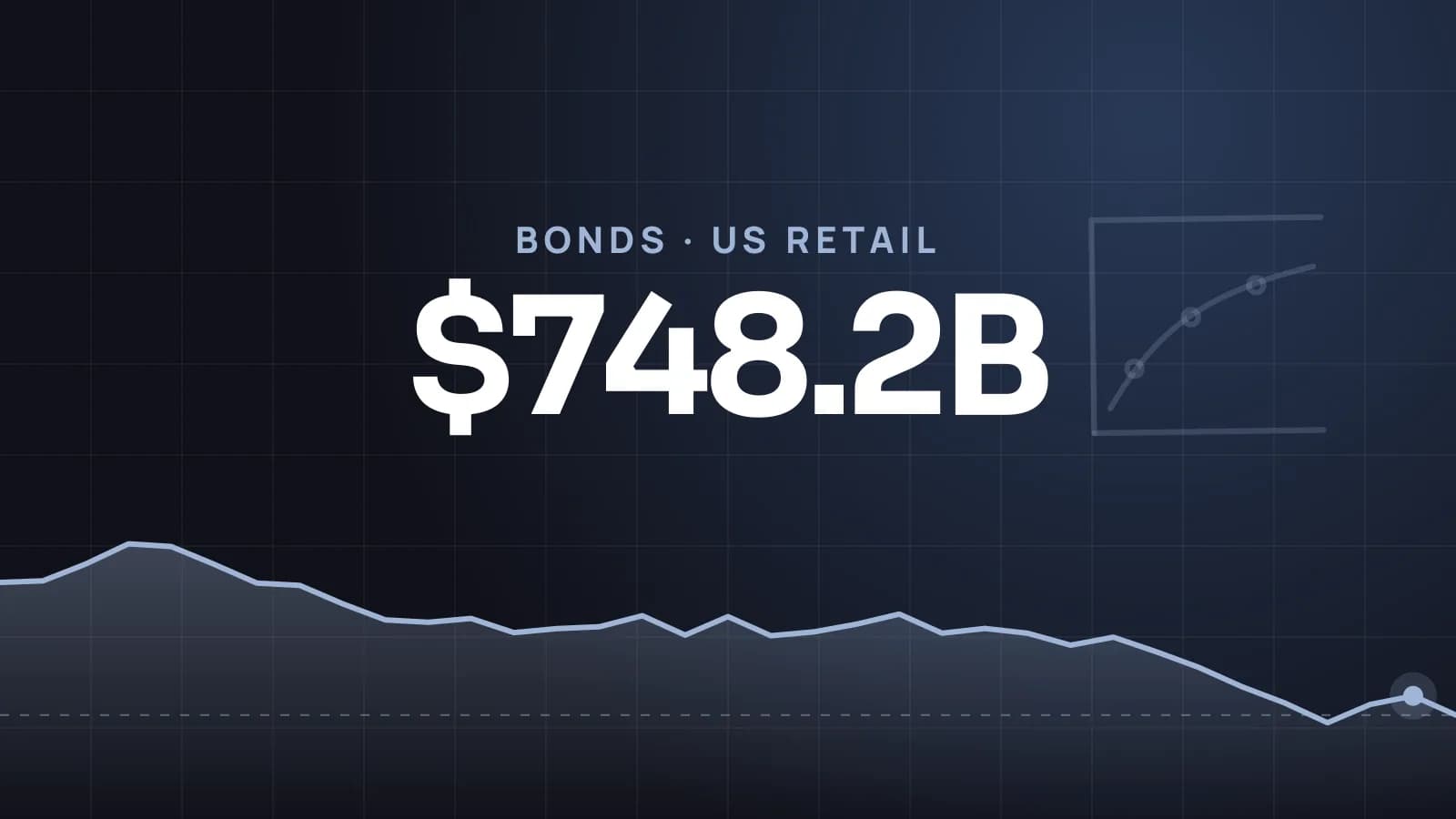
US retail sales in October were estimated at $748.2 billion, up 0.2% from September, according to the Census Bureau's November 17 advance release. The monthly estimate carried a margin of error of plus or minus 0.4 percentage points, making the uncertainty around the headline important for economic interpretation. [1]
A small estimated increase
Sales were 6.8% above October 2025, with a margin of error of plus or minus 0.5 percentage points. September's monthly growth rate remained 0.8%. The figures are adjusted for seasonal variation and holiday and trading-day differences, but not for price changes. [1]
Because the monthly confidence interval includes zero, the estimated increase is not statistically distinguishable from no change at the release's stated confidence level. That does not prove sales were unchanged; it describes what the estimate can reliably establish. [1]
Analysis: precision should shape the narrative
A headline rounded to one decimal place can look more definitive than the underlying survey allows. The central estimate is useful, but its uncertainty should influence how strongly commentators describe acceleration or contraction.
This is especially relevant when a small monthly movement is used to make a broad claim about the consumer. A single preliminary observation cannot establish a durable trend, particularly when the plausible range includes movement in either direction.
The annual comparison provides additional context, but it answers a different question. Year-on-year growth can remain strong even when recent monthly momentum slows. Neither comparison should replace the other without explaining the time horizon.
Nominal sales do not measure purchasing power
Because the release is not adjusted for prices, higher spending can reflect some combination of more goods purchased and higher prices paid. The headline cannot separate those influences on its own.
Retail sales also represent a particular portion of economic activity. They should be considered alongside broader consumption and income information before drawing conclusions about household financial resilience or the overall pace of growth.
For bonds, the relevant issue is whether the release changes expectations about future growth, inflation and policy. The answer depends partly on what investors had already anticipated. The number alone does not establish a verified yield reaction.
What traders should watch next
Watch revisions to the advance estimate and the next retail release, which the Census calendar schedules for December 16. A clearer trend will require multiple observations interpreted on a consistent seasonal and price basis. [2]
Inflation data and broader consumption measures can help distinguish nominal spending growth from changes in real demand. Income and labour-market evidence offer further context for whether households can sustain their purchases.
October's report points to a modest estimated increase, with meaningful statistical uncertainty. Keeping that qualification visible produces a more useful assessment than treating a small positive number as conclusive evidence of either renewed strength or an imminent slowdown.
Sources and verification
Verified November 18, 2026, by 6:11 a.m. Asia/Manila. Observations retain their stated dates. Analysis is editorial interpretation; forecasts are not confirmed outcomes.
[1] US Census Bureau: October advance retail sales release, November 17
#Xquote #RetailSales #USEconomy #Bonds #EconomicData
Risk disclaimer: Trading and leveraged products can cause substantial losses. General information only; not personalized investment advice.