 Daniel Morgan
Natural gas, inventories, weather and supply
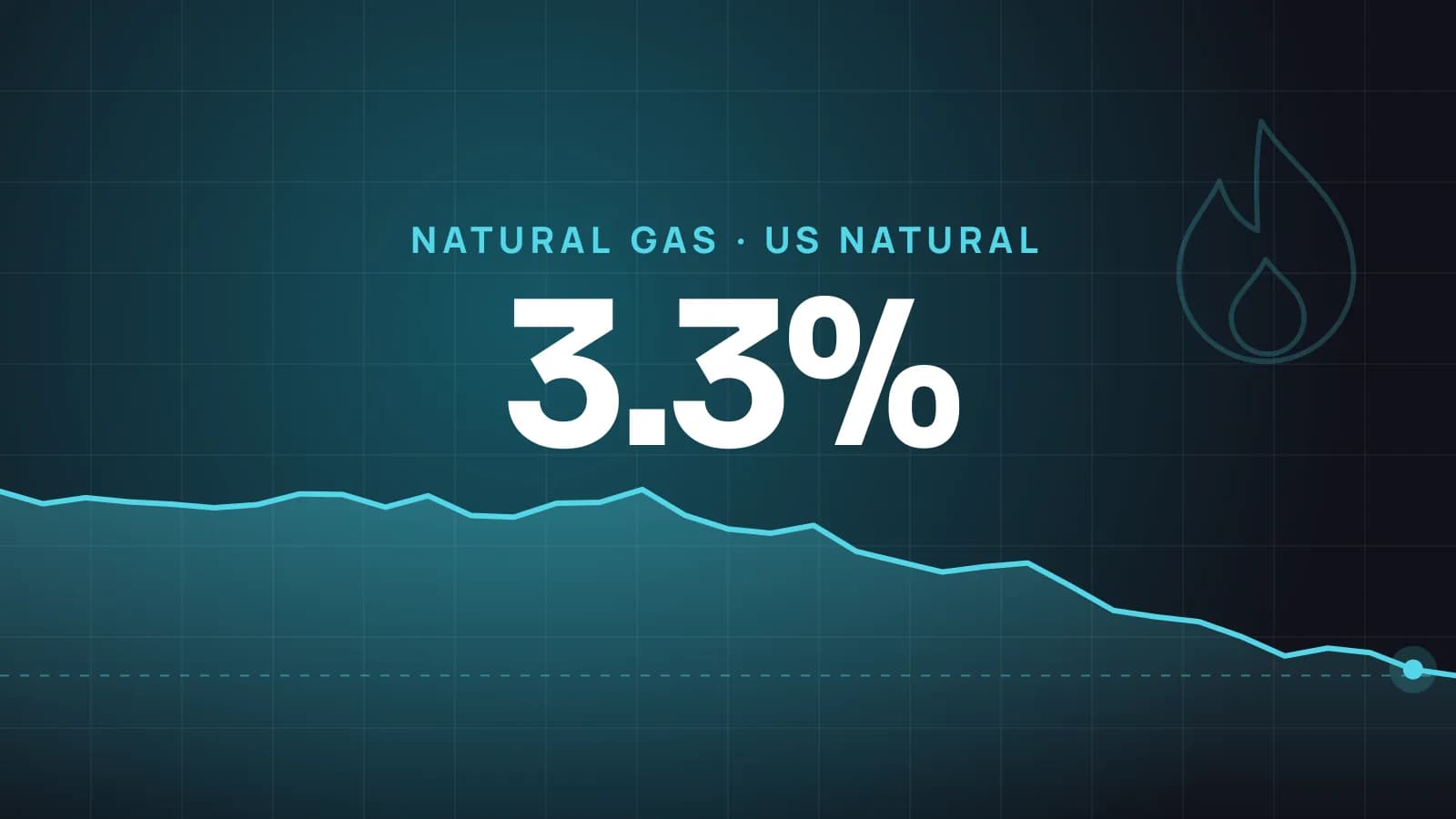
US natural gas futures declined on November 16 as recovering production and expectations of milder weather weighed on the near-term outlook. The Wall Street Journal reported that Nymex December futures settled 3.3% lower at $3.122 per million British thermal units. [1]
The balance shifted after colder conditions
The report described improving supply alongside forecasts for easing heating requirements after an early cold spell. It also noted LNG flows near recent highs, indicating that export-related demand remained part of the balance even as domestic weather expectations softened. [1]
The settlement is a dated December futures price, not a current cash-market quotation. Physical gas prices can differ by location and delivery day, particularly when pipeline conditions or regional demand change.
Analysis: production and demand must be read together
A weather forecast can change expected consumption quickly, but the effect on storage depends on the supply response. More production can reduce the amount that needs to be withdrawn from inventories for a given level of demand. If output disappoints, the same weather outlook may leave a less comfortable balance.
A national production estimate also needs context. Short-lived operational changes can produce daily swings, and later revisions can alter the apparent trend. Several observations are usually more informative than treating one day’s increase as a permanent addition to available supply.
Heating demand has similar complexity. Warmer-than-normal conditions can still require considerable gas use in late autumn. The location of temperature changes matters because densely populated regions have different consumption patterns from areas with fewer heating customers.
Exports connect separate demand centres
LNG facilities add another use for domestic gas, but feedgas demand and exported cargo volumes are not identical measures. Plant operations, loading schedules and the timing of shipments can create differences between them. The relevant series should be identified before drawing conclusions about export momentum.
A strong export requirement can partly offset mild domestic conditions. Conversely, a facility interruption can loosen the domestic balance even without a change in weather. These are possible mechanisms, not claims that an additional outage or surge occurred during the reported session.
What traders should watch next
Watch whether production recovery persists, how temperature forecasts evolve and whether actual heating demand follows the projected path. Comparing successive forecasts helps identify the new information that may matter to prices.
Inventory releases should be matched to their reporting periods. A weekly storage figure largely reflects conditions already experienced, whereas a futures contract incorporates expectations about later supply and consumption.
Regional cash prices and pipeline notices can provide additional context when national averages conceal local pressure. The November 16 decline establishes the session’s outcome; it does not prove that winter demand risks have disappeared or that further price declines must follow.
Sources and verification
Verified November 17, 2026, by 6:10 a.m. Asia/Manila. Observations retain their stated dates. Analysis is editorial interpretation; forecasts are not confirmed outcomes.
#Xquote #NaturalGas #HenryHub #GasFutures #Energy
Risk disclaimer: Trading and leveraged products can cause substantial losses. General information only; not personalized investment advice.