 Daniel Morgan
Natural gas, inventories, weather and supply
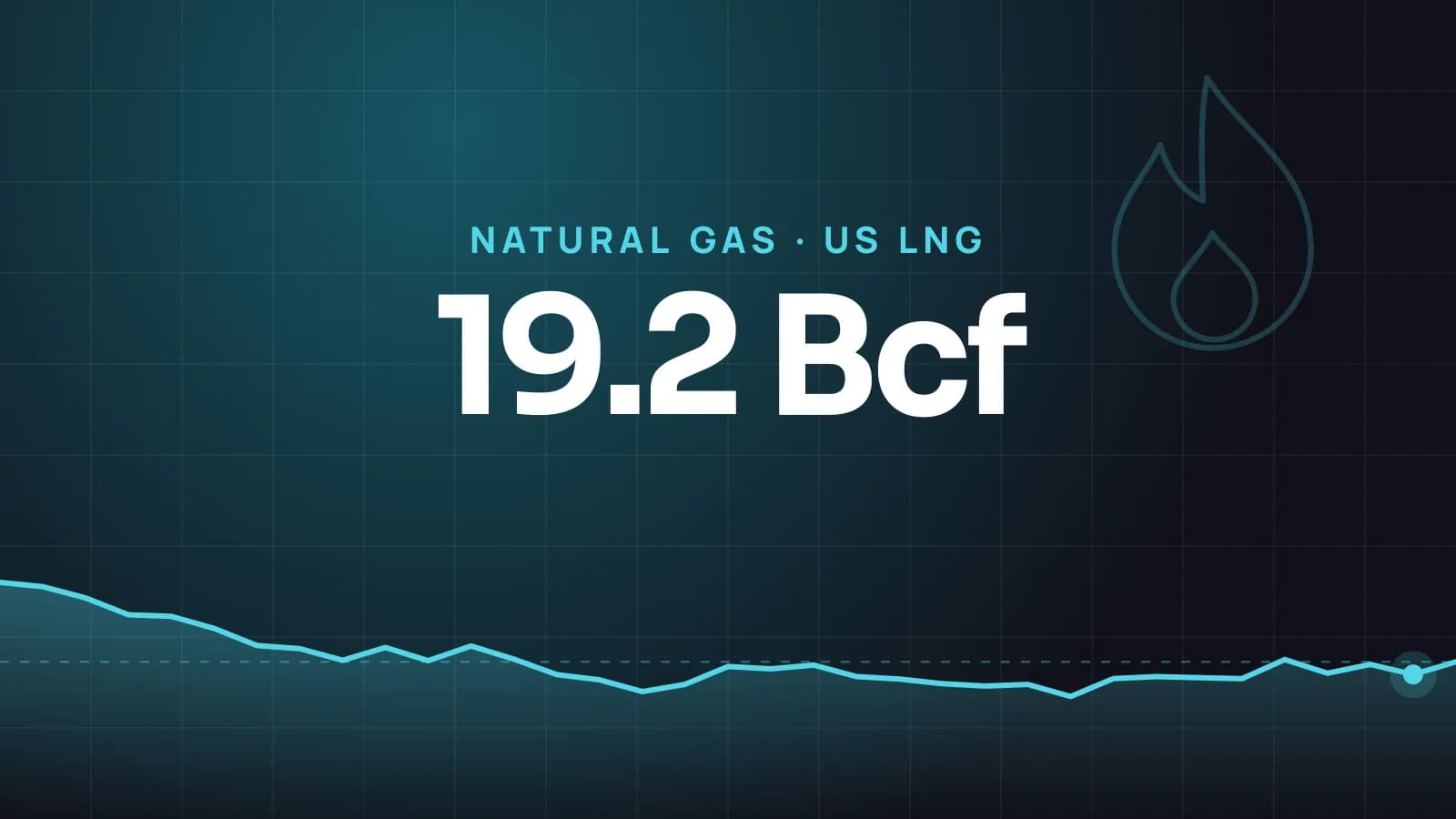
US LNG feedgas estimates eased on November 17, drawing attention to demand at export terminals. Reuters reported preliminary LSEG flows of 19.2 billion cubic feet per day, compared with 19.5 billion the previous day. [1]
What the reported numbers show
Sabine Pass flows were estimated at 4.2 billion cubic feet per day, down from above 5 billion. Freeport was around 1.5 billion, versus its usual 2 billion. Cheniere declined comment, while Freeport said all three trains were operating. [1]
The data and company statements should be read together. Reduced flows do not establish a confirmed outage.
Analysis: pipeline demand is only one observation
Feedgas measures gas entering the liquefaction process or associated terminal system. It is useful for assessing export-related demand on the domestic gas network, but it is not the same measurement as LNG leaving on a vessel.
A terminal can vary its intake while managing operations, storage and loading schedules. Without more information, a change in the intake series cannot identify which of those factors is responsible. The cautious interpretation is a change in estimated demand, with the operational cause unresolved.
Preliminary pipeline data can also be revised. A daily comparison may look different once nominations and actual flow information become more complete. Several observations offer stronger evidence of a sustained shift than a single early estimate.
Why the domestic balance can respond
When export plants take less gas, more supply may remain available for other uses, all else equal. That can ease the domestic balance, but only if production, weather-driven consumption and other demand are unchanged.
Those conditions rarely remain fixed. A decline in export demand could coincide with stronger heating requirements or lower output. The market consequence therefore depends on the combined changes, rather than the feedgas number in isolation.
The same logic applies in reverse. A subsequent recovery in terminal demand would absorb more domestic gas, but it would not guarantee a particular futures-price response. Expectations and simultaneous changes elsewhere in the system still matter.
What traders should watch next
Watch revised flow data, consecutive daily readings and direct operator updates for confirmation of the trend. Claims of a shutdown should be supported by an operator statement or other clear evidence about the affected equipment and duration.
Cargo movements and loading information can help connect pipeline intake with actual exports. Storage reports and updated weather forecasts provide separate checks on the domestic balance, but their reporting periods should be aligned before comparisons are made.
For now, the verified development is a lower preliminary feedgas estimate alongside differing terminal-level observations. Keeping that limited finding separate from an unconfirmed operational explanation avoids overstating what the available data can establish.
Sources and verification
Verified November 18, 2026, by 6:11 a.m. Asia/Manila. Observations retain their stated dates. Analysis is editorial interpretation; forecasts are not confirmed outcomes.
#Xquote #LNG #NaturalGas #SabinePass #Energy
Risk disclaimer: Trading and leveraged products can cause substantial losses. General information only; not personalized investment advice.