 Oliver Reed
Global stocks, corporate earnings, IPOs and sector trends
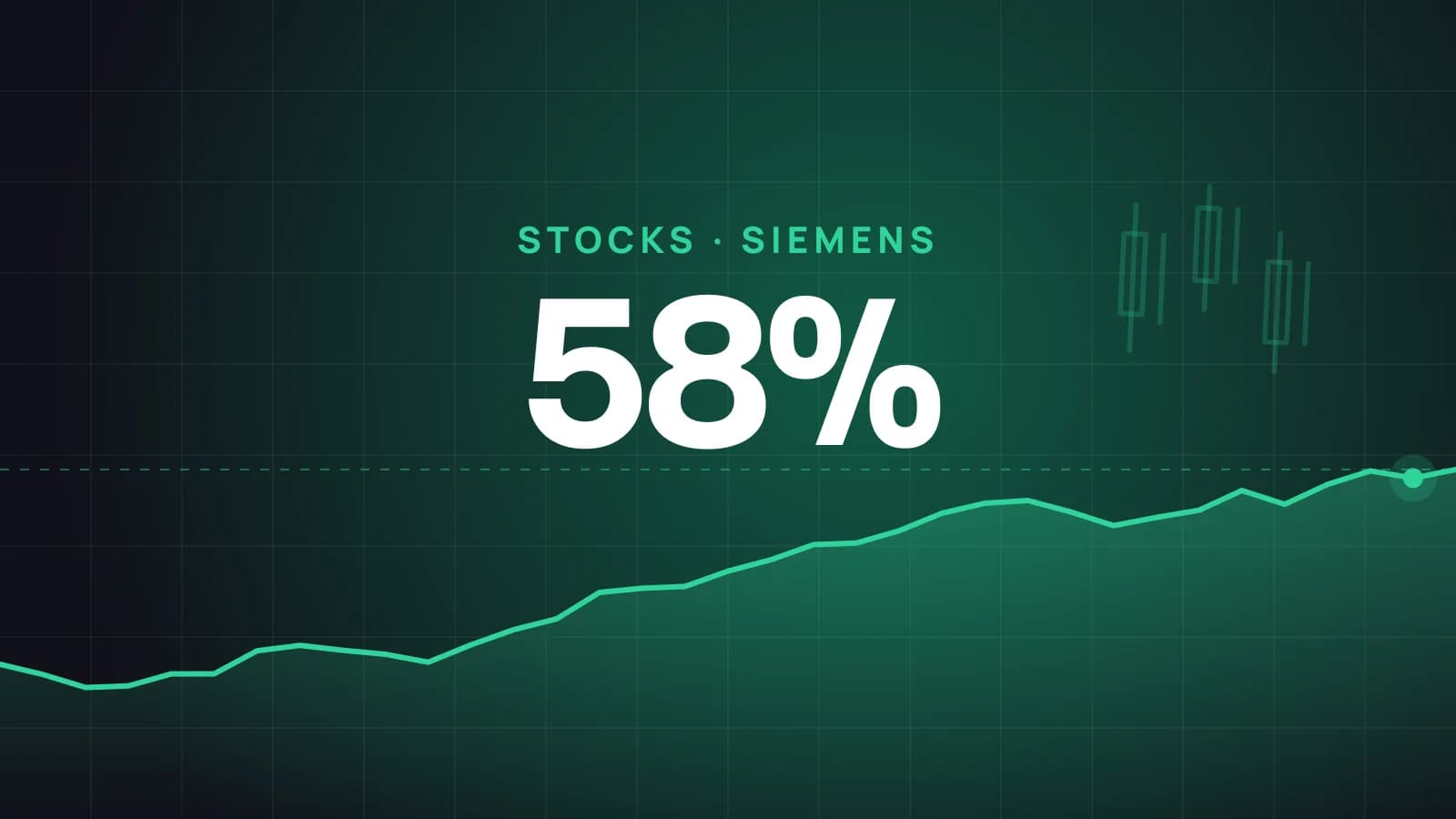
Siemens orders increased sharply in the fourth quarter, adding visibility into future industrial activity while raising the importance of execution. The company’s November 12 results materials report orders of €34.8 billion, up 58%, and revenue of €23.7 billion, up 11%. [1]
Demand ran ahead of recognised sales
Siemens reported a book-to-bill ratio of 1.47, with particularly strong order contributions from Mobility and Smart Infrastructure. Revenue grew across the industrial businesses, with Smart Infrastructure providing the largest contribution. [1]
Orders and revenue describe different stages of commercial activity. An order reflects a customer commitment under the company’s reporting definitions; revenue is recognised as the relevant delivery or performance requirements are met. The two should not be combined as if both were current-period sales.
Analysis: a stronger order book creates an execution task
A large intake can support production planning, but it also requires the capacity to deliver. Components, skilled labour, project coordination and customer readiness can influence how quickly an order becomes revenue.
Longer projects may convert over several periods. Their timing can make quarterly order growth volatile even when underlying demand is more stable. One large award can materially affect the comparison with a quarter that contained fewer major contracts.
The book-to-bill ratio helps describe the relationship between new orders and recognised revenue. A ratio above one indicates that intake exceeded sales over the measured period, but it does not by itself establish the profitability or cancellation risk of the future work.
Cash conversion completes the picture
Contract terms determine when customers pay relative to delivery. Advances can support cash flow before revenue is recognised, while other arrangements may require the supplier to fund inventory or work in progress for longer.
That means strong orders can coexist with different working-capital outcomes. Investors need cash-flow disclosures and project detail to understand whether growth is generating liquidity or temporarily absorbing it.
Margins also depend on execution. Pricing agreed when a contract is signed may interact with later changes in input costs, labour availability or delivery requirements. Revenue growth is therefore not a sufficient measure of the economic quality of the order book.
These are analytical considerations rather than claims that Siemens has encountered a particular undisclosed problem. They identify the evidence needed to evaluate the unusually strong intake reported in the latest quarter.
What traders should watch next
Watch later updates for order conversion, delivery schedules and cash generation. Compare like-for-like periods and distinguish large project awards from more recurring demand when assessing momentum.
Review profitability alongside revenue and the company’s explanation of working-capital movements. The latest figures establish a substantial increase in orders, but the lasting earnings contribution depends on how that work is executed. A strong intake is the beginning of that process, not its completed financial result.
Sources and verification
Verified November 15, 2026, Asia/Manila. Observations retain their stated dates. Analysis is editorial interpretation; forecasts are not confirmed outcomes.
[1] Siemens: fourth-quarter and preliminary fiscal 2026 results, November 12
#Xquote #Siemens #IndustrialStocks #Earnings #Infrastructure #GlobalStocks
Risk disclaimer: Trading and leveraged products can cause substantial losses. General information only; not personalized investment advice.