 Sophia Williams
Crude oil and global energy
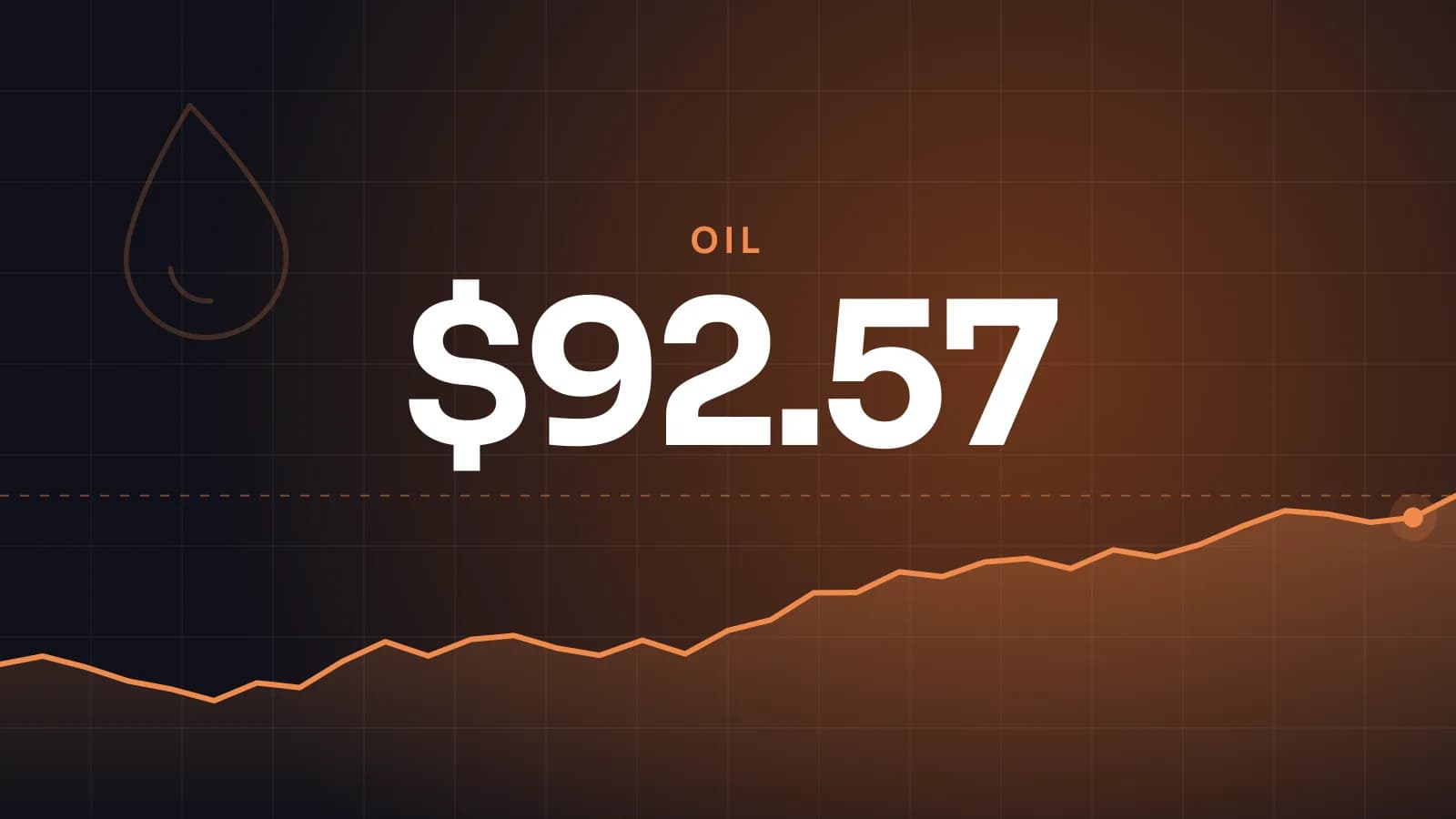
Oil futures rose on November 20 as renewed conflict concerns influenced trading. Brent settled at $92.57 a barrel, up 0.64%, while December West Texas Intermediate finished at $83.98, up 0.93%, according to Reuters. [1]
A dated settlement, not a live quotation
Reuters associated the late-session increase with worries about further attacks and buying ahead of the US Thanksgiving holiday. Those are reported explanations of the trading backdrop, rather than proof that one factor accounted for the entire move. [1]
The figures refer to Friday's futures settlements. They should not be substituted for physical crude prices or presented as executable quotations for the weekend. The WTI figure specifically concerns the December contract.
Analysis: risk can be priced before barrels disappear
Oil markets can respond to the possibility of disruption before a measurable loss of supply occurs. Buyers may seek protection against an adverse outcome, while sellers may require more compensation for exposure. That process can affect prices even when deliveries continue.
Actual export flows answer a different question: how much crude is reaching the market. If those flows remain resilient, they can limit the influence of alarming headlines. If disruption becomes visible in shipments, the balance may change more directly.
The distinction is especially important when interpreting a rebound after a weak period. A daily gain does not establish that a longer trend has reversed. It may reflect a change in positioning, a new assessment of risk or a temporary adjustment to available liquidity.
Contract comparisons require care
Brent and WTI represent different benchmarks, with different delivery arrangements and exposure to regional conditions. Their prices can move together without moving by the same amount. Comparing percentage changes is useful, but does not explain the underlying spread by itself.
Expiry and contract selection also matter. A series that switches from one delivery month to another can show a change partly because the two contracts have different prices. Analysts should identify the contract before interpreting a chart as a continuous measure of the same exposure.
Positioning can amplify short-term moves. Traders reducing bearish exposure must buy contracts, potentially supporting prices without demonstrating an improvement in physical consumption. Establishing that mechanism in a particular session requires evidence beyond the price change alone.
What traders should watch next
Watch verified shipping information, production developments and inventory data alongside statements about geopolitical risk. Separate confirmed operational interruptions from warnings about what might happen.
Compare subsequent settlements on a consistent contract basis and consider whether any move persists beyond a single session. Changes in liquidity around holidays can also affect the reliability of short-term price signals.
Friday's higher settlements are confirmed observations. Whether supply fears translate into a lasting change in the petroleum balance remains a question for incoming physical-market evidence.
Sources and verification
Verified November 21, 2026, by 6:07 a.m. Asia/Manila. Observations retain their stated dates. Analysis is editorial interpretation; forecasts are not confirmed outcomes.
#Xquote #OilPrices #Brent #WTI #Energy
Risk disclaimer: Trading and leveraged products can cause substantial losses. General information only; not personalized investment advice.