 Ethan Nakamura
Forex and central-bank developments
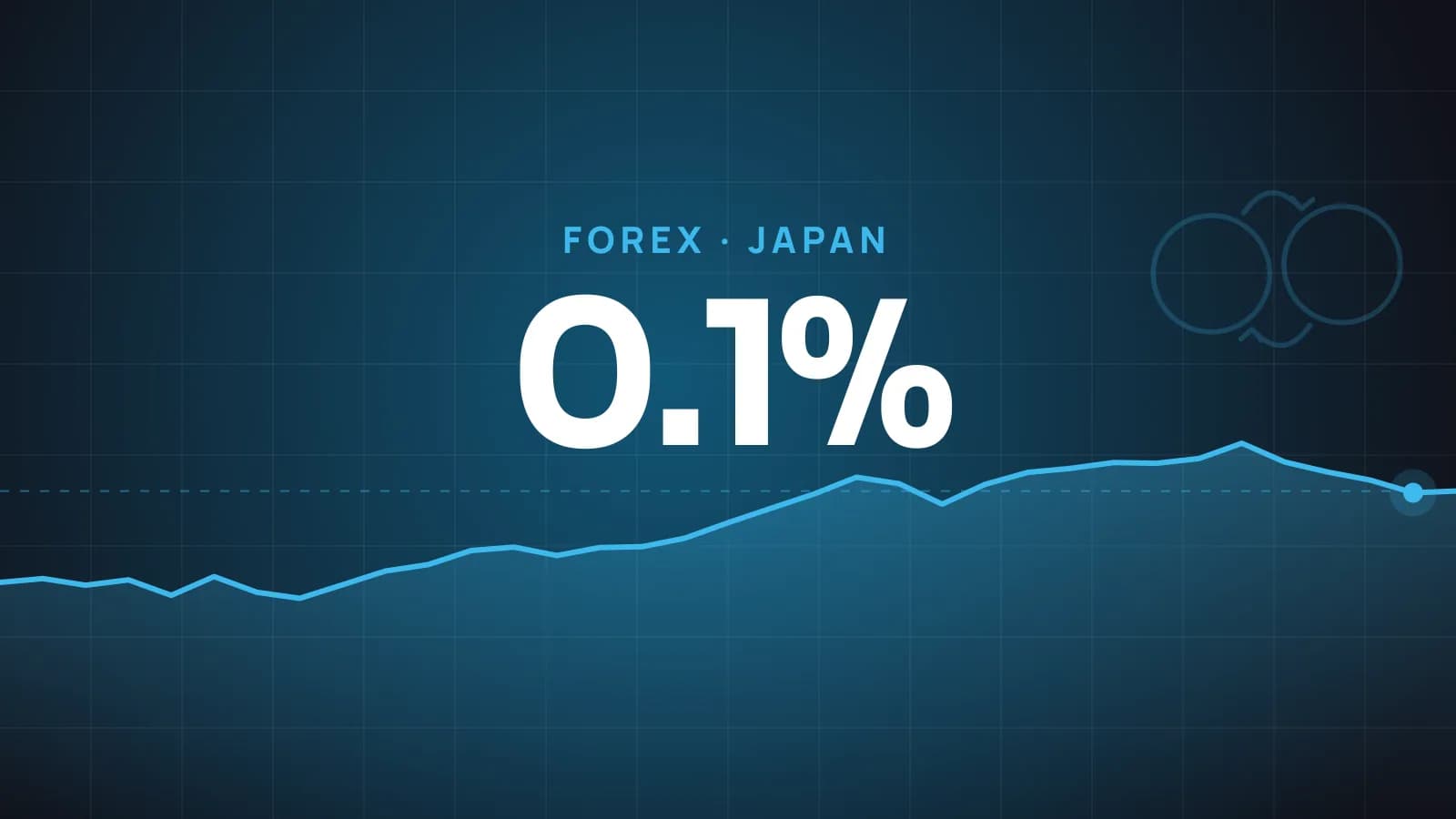
Japan’s GDP contraction has added a domestic-demand concern to the yen outlook. Preliminary Cabinet Office figures released November 16 showed real output falling at a 0.1% annualised rate in July–September, with the quarterly change rounding to negative zero at one decimal place. [1]
A small decline with an uneven composition
Associated Press reported that consumer spending declined at a 1.1% annualised rate while private non-residential investment increased 6.8%. Its account identified higher energy costs and pressure on household purchasing power as important context. These are annualised component rates, not quarter-on-quarter percentage changes. [2]
The figures describe a nearly flat economy rather than a large collapse in output. They nevertheless give currency markets a concrete release to assess after the expectations discussed before publication. The first estimate remains subject to revision.
Analysis: investment cannot answer every policy question
An economy can sustain business spending while households remain cautious. Companies may undertake projects planned well before current conditions changed, whereas consumers can adjust discretionary purchases more quickly. The two components therefore provide different information about the resilience of demand.
For monetary policy, this creates a balancing problem. Weak consumption may limit the economy’s ability to absorb higher borrowing costs. At the same time, an inflation problem driven partly by imported costs does not disappear simply because domestic spending slows.
The exchange-rate channel complicates the assessment further. A currency depreciation can raise the local cost of imported goods, while helping some exporters. Its overall effect depends on pricing decisions, imported inputs and the distribution of income across businesses and households.
A GDP release is not a rate decision
The policy interpretation must remain conditional. This report alone cannot establish what the Bank of Japan will decide, and a weak growth number does not guarantee a weaker yen. Currency prices also reflect the expected interest-rate path abroad and how much of the domestic weakness investors anticipated.
The annualised presentation deserves attention as well. It expresses the pace that would result if the quarterly change continued for a year. It does not describe the actual change from the same quarter a year earlier, so those measures should not be compared interchangeably.
What traders should watch next
Watch revisions, household-spending detail and subsequent inflation evidence for a clearer picture of the relationship between real activity and purchasing power. Business-investment resilience will be more convincing if it persists across multiple releases rather than depending on a single quarter.
Central-bank explanations of the data will help distinguish the official policy assessment from immediate market interpretation. The useful question is whether the balance of evidence changes the expected policy path, not whether one rounded GDP number can predict the next exchange-rate move.
Sources and verification
Verified November 17, 2026, by 6:10 a.m. Asia/Manila. Observations retain their stated dates. Analysis is editorial interpretation; forecasts are not confirmed outcomes.
#Xquote #JapanGDP #JapaneseYen #Forex #BankOfJapan
Risk disclaimer: Trading and leveraged products can cause substantial losses. General information only; not personalized investment advice.