 Sophia Williams
Crude oil and global energy
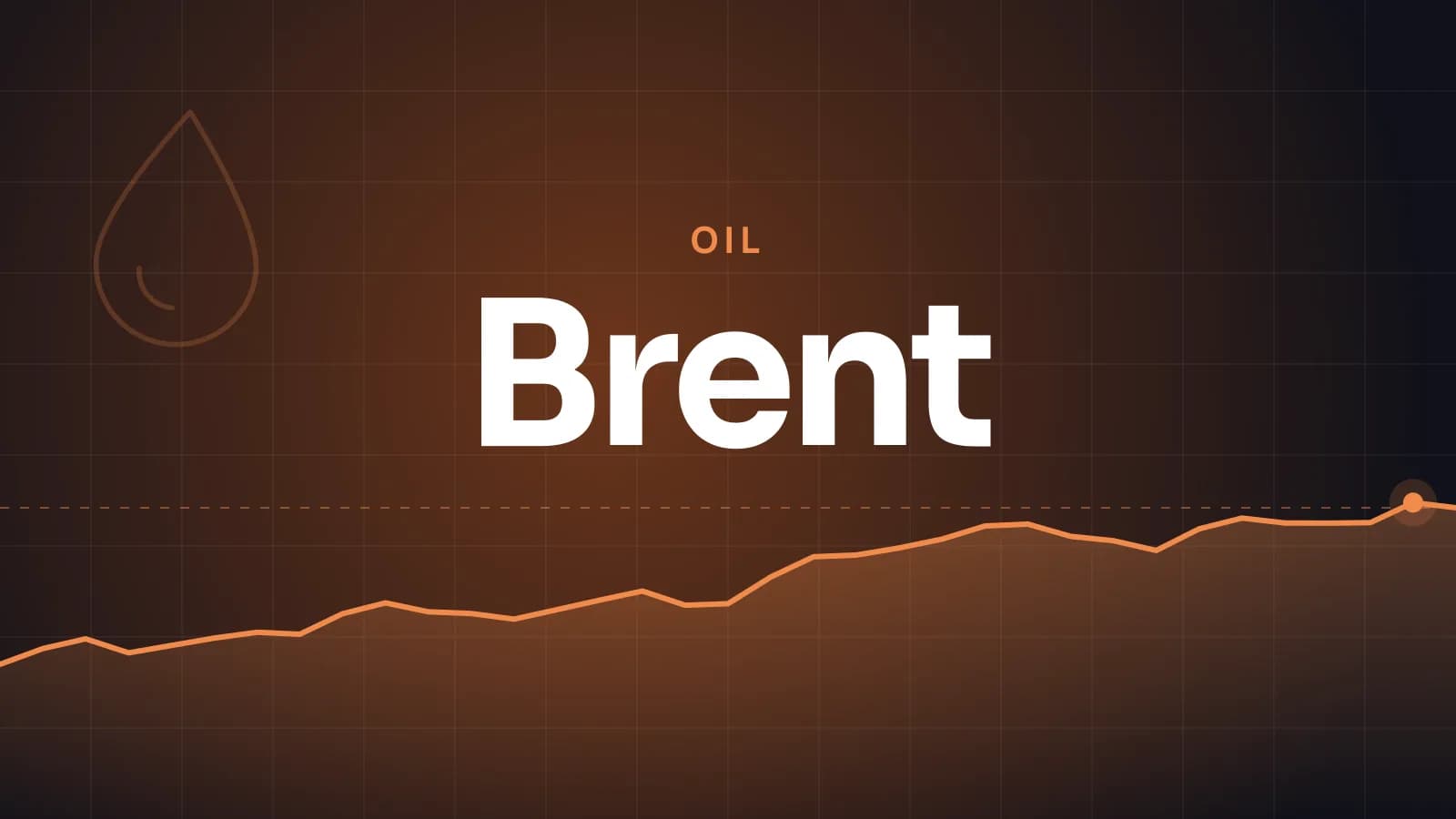
Brent advanced on November 26 as the market reassessed threats to Middle Eastern energy supply. The immediate analytical challenge is distinguishing claims about incidents from confirmed losses of production or deliveries.
The confirmed market record
Reuters reported Brent futures settling at $96.57 a barrel. Its report cited Houthi claims of a refinery attack and Iranian claims that vessels struck mines. Those claims should not be treated as independently verified damage assessments. [1]
The settlement is a dated futures benchmark, not a live spot-cargo quotation. This article does not assign a volume of lost supply to incidents for which a confirmed operational assessment is unavailable.
Analysis: prices can react to uncertainty
Market participants do not need to wait for a complete damage report before adjusting their exposure. A credible possibility of delayed supply can influence the price buyers are willing to pay for available cargoes and the compensation sellers require for future delivery.
That response reflects uncertainty rather than proof that a particular volume has disappeared. The distinction matters because a premium for possible disruption can diminish when deliveries continue, even if the original headline remains prominent.
Physical evidence includes loading schedules, vessel movements, terminal operations and confirmed changes in refinery throughput. Each describes a different part of the supply chain. A refinery interruption affects product production directly, while an export-terminal interruption can constrain crude shipments without stopping wells immediately.
Avoid adding unlike disruptions
Reports from several locations should not automatically be added together as a single supply loss. The same cargo can appear in multiple accounts, and a delayed vessel may eventually deliver its full load.
There is also a difference between gross facility capacity and the volume actually affected. Nameplate capacity represents a potential operating level. It is not a reliable substitute for observed production immediately before an incident.
For price analysis, duration matters alongside scale. A short interruption that inventories can bridge has different consequences from a prolonged constraint that forces customers to seek alternative grades or routes.
What traders should watch next
Prioritise operational statements from affected facilities and reliable maritime advisories. Updates that clarify whether production, loading or transit has resumed can materially change the interpretation of earlier reports.
Compare nearby and later delivery contracts for signs of immediate supply pressure. A stronger nearby price can be consistent with urgency, but futures structure still needs to be assessed alongside demand and inventories.
Finally, distinguish changes in the assessed probability of disruption from new evidence of actual disruption. Both can move prices, but they support different conclusions about the physical market. The latest settlement records the market’s response to the information available; it does not independently confirm every incident described in that information.
Sources and verification
Verified November 27, 2026, by 6:03 a.m. Asia/Manila. Observations retain their stated dates. Analysis is editorial interpretation; forecasts are not confirmed outcomes.
#Xquote #Brent #OilMarkets #EnergySecurity #CrudeOil
Risk disclaimer: Trading and leveraged products can cause substantial losses. General information only; not personalized investment advice.